 Saha Textile
Saha Textile
Saha Textile
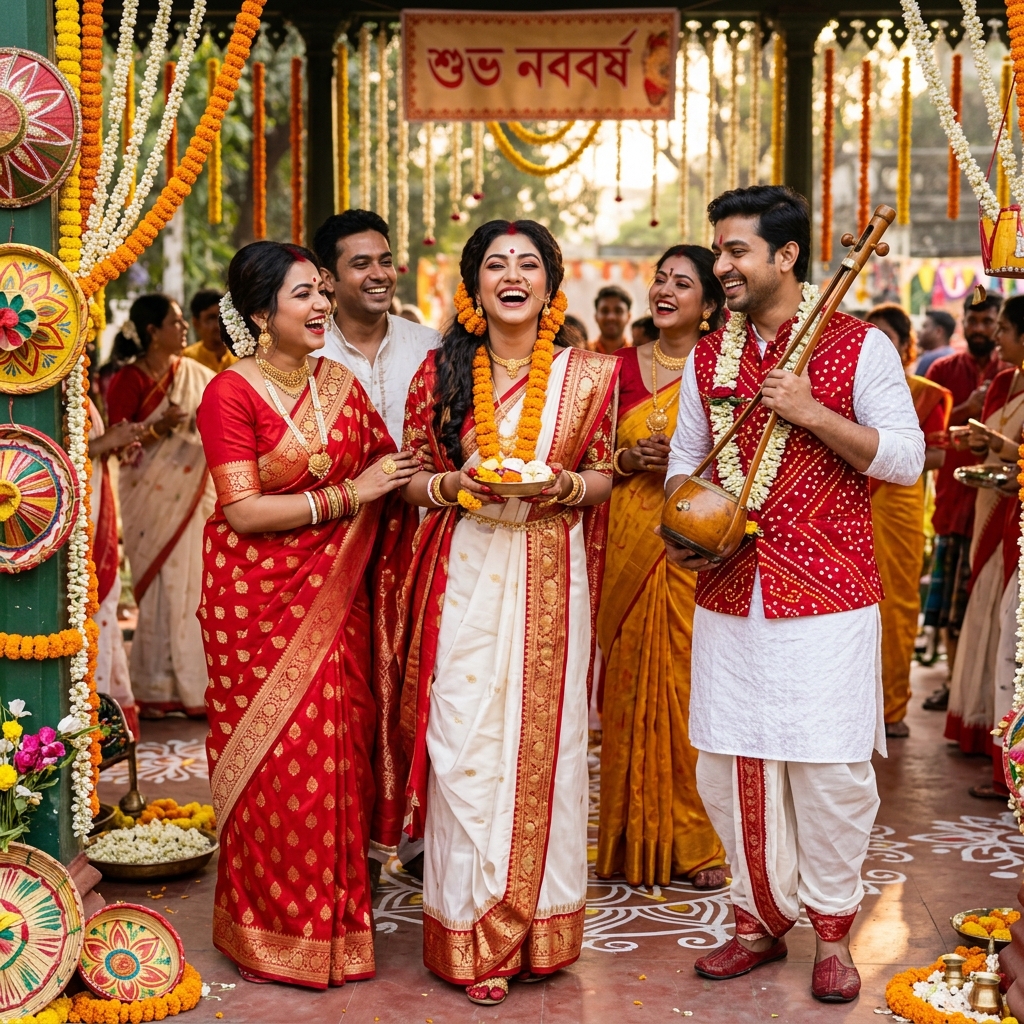
In the heat of a Kolkata summer, when the humidity wraps around you like a wet cloth and even breathing feels like effort, there is one garment that remains bearable: a pure cotton saree. It absorbs the sweat. It lets the air move. It does not cling. For generations of Bengali women, the cotton saree has been not just a choice but a necessity — the difference between getting through the day and giving up halfway.
If you are looking for a cotton saree shop in Gariahat, you probably already know this. You have felt the disappointment of a polyester blend that promised breathability but delivered discomfort. You have paid Gariahat boutique prices for cotton that turned rough after three washes. You are looking for something better — pure cotton, honestly priced, and woven by people who understand what Kolkata's climate demands.
At Saha Textile in Barasat, we have been selling pure cotton sarees since 1986. Our collection comes from the weaving clusters of Dhaniakhali, Shantipur, and Phulia — names that mean something to anyone who understands Bengal's textile heritage. We serve customers from Gariahat, Ballygunge, Jadavpur, Tollygunge, and across South Kolkata who have made the short trip north and discovered that better cotton does not have to cost more.
Saha Textile started in 1986 as a small cloth shop in Champadali, Barasat. In those days, cotton was not a fashion statement. It was simply what people wore. Our founder sourced cotton sarees from Dhaniakhali, where the weavers had been producing sturdy, bold-border cottons for generations. He also brought pieces from Shantipur, where the cotton was finer and softer, suited for customers who wanted something lighter.
The early customers were local women — housewives, teachers, nurses — who needed practical sarees for daily wear. They did not care about labels or branding. They cared about whether the cotton was pure, whether the border would fray, and whether the color would hold after repeated washing. Our founder built his reputation by ensuring that every cotton saree he sold met these basic standards. If a customer complained that a saree lost its color, he replaced it. No questions asked.
By the mid-1990s, something interesting happened. Customers from South Kolkata started appearing. A woman from Gariahat who had married into a Barasat family told her mother about our cotton prices. The mother came. She bought ten sarees. She told her neighbors. Within a few years, we had a steady stream of South Kolkata customers who made the trip specifically for our cotton collection. They said the same thing: same quality as Gariahat, better prices, no attitude.
Today, our cotton section is one of the largest parts of our showroom. We stock pure cotton from multiple weaving clusters, each with its own character. Dhaniakhali for those who want substance. Shantipur for those who want softness. Phulia for those who want something in between. And we still apply the same standard: if it is not pure cotton, we do not sell it as pure cotton. Our customers from Gariahat have learned to trust this honesty. Many of them have been buying their summer cottons from us for over twenty years.
Cotton saree buyers are practical people. They know what they want, and they do not like surprises. After nearly four decades of selling cotton sarees, here is what we have learned about our Gariahat and South Kolkata customers:
From March to June, our cotton section becomes the center of activity. Over the years, we have noticed that customers preparing for Kolkata's brutal summers prefer pure cotton sarees because nothing else survives a full day in this humidity. Our South Kolkata working women — teachers, doctors, office staff, professors — buy in bulk during this period. A typical purchase is six to eight sarees, enough to rotate through the week without repeating. They know that a pure Dhaniakhali cotton, washed and starched properly, will keep them comfortable through a day of classes, clinic visits, or meetings.
One professor from Jadavpur University has been buying her summer cottons from us for eighteen years. She buys seven every March — one for each day. She says our Shantipur cottons are the only sarees that do not leave her drenched after a day of lectures in an unairconditioned classroom. That is the kind of feedback that tells us we are doing something right.
Not every festival demands silk. Saraswati Puja, with its association with yellow and white, sees a spike in demand for light cotton sarees in festive colors. Poila Baisakh, the Bengali New Year, brings families who want new cotton sarees as part of the tradition. Our South Kolkata customers often choose Dhaniakhali cottons with zari or thread-work borders for these occasions — festive enough for the temple, comfortable enough for a day of visiting relatives.
The backbone of our cotton business is the daily wear saree. These are simple, single-color or lightly patterned pieces that women wear to work, to the market, to visit friends. They are washed frequently, worn hard, and replaced when they finally give out. Our Gariahat customers who buy daily wear cottons are not looking for fashion. They are looking for durability, comfort, and value. A nurse from Ballygunge buys twelve cotton sarees from us every year — one for each month. She says they are the only sarees that can survive her hospital shifts and repeated washing.
Cotton sarees make practical, appreciated gifts. A daughter buying for her mother. A sister-in-law sending something to her brother's wife. A son surprising his mother on her birthday. Our South Kolkata customers often buy cotton sarees in sets of three or four for gifting. They know that unlike silk, which might not suit everyone's taste, a good cotton saree is universally welcome. We offer simple gift wrapping for these purchases — nothing fancy, just a neat fold and a ribbon.
Gariahat has dozens of shops selling cotton sarees. So why do our customers travel to Barasat? Here is what they say:
The biggest problem with buying cotton in Gariahat is trust. Too many shops sell polyester blends labeled as "cotton feel" or "cotton mix." These might look good on the shelf, but after one wash, the truth comes out. At Saha Textile, we guarantee that every saree labeled as pure cotton is exactly that. Our staff can show you the burn test — pure cotton ash is fine and powdery, while polyester melts into a hard bead. We have nothing to hide.
We buy our cotton sarees directly from weavers in Dhaniakhali, Shantipur, and Phulia. No middlemen. No distributors. This means fresher stock, better prices, and the knowledge that the weaver was paid fairly. A Gariahat boutique might charge ₹1,500 for a Dhaniakhali cotton that we sell for ₹900. The difference is not in quality. It is in overhead. Our Barasat location keeps our costs low, and we pass those savings to our customers.
Our cotton collection is organized by type and purpose. Sturdy Dhaniakhali cottons with bold borders for women who want substance. Soft Shantipur cottons in subtle colors for office wear. Lightweight Phulia cottons for those who prioritize comfort. Festive cottons with zari borders for special occasions. Plain daily wear cottons in every color imaginable. A customer from Gariahat who visited last month said she felt like she was in a cotton library — everything categorized, everything easy to find.
We do not just sell cotton sarees. We help our customers care for them. How much starch to use. Whether to wash in hot or cold water. How to store cotton during the monsoon to prevent mildew. Which cotton works best for which body type. A young woman from Gariahat who bought her first cotton saree from us last year had no idea how to starch it properly. Our salesperson spent fifteen minutes explaining the process. She came back this summer and bought five more.
South Kolkata boutiques can be intimidating. The staff looks you up and down. The prices are non-negotiable and inexplicably high. The atmosphere feels designed to make you spend more than you planned. At Saha Textile, we do not do any of that. Our showroom is simple. Our staff is friendly. Our prices are marked clearly. You can browse for an hour without anyone pressuring you. A Gariahat customer once told us that shopping at our store felt like visiting a relative's house — comfortable, unhurried, and honest.
South Kolkata has a particular relationship with the cotton saree. In a part of the city known for its intellectual and cultural life, the cotton saree is both practical and symbolic. Here is what we have observed:
Our Gariahat cotton customers are a diverse group. Retired teachers who have worn cotton all their lives and see no reason to change. Young professionals who are discovering the elegance of a well-draped cotton saree. Mothers buying for their college-going daughters. What unites them is pragmatism. They know that in Kolkata's climate, cotton is not optional. They also know that a good cotton saree, properly cared for, outlasts three or four synthetic ones.
While the wedding ceremony demands silk, many pre-wedding rituals call for cotton. The Gaye Holud turmeric ceremony, for instance, often requires a simple white or yellow cotton saree that can withstand turmeric stains. The pre-wedding puja at the bride's home might call for a new cotton saree. South Kolkata families planning weddings often buy these ritual cottons from us in bulk — simple, pure, and affordable.
Durga Puja might be dominated by Garad tant, but cotton has its place in the festival calendar too. Saraswati Puja sees demand for yellow and white cottons. Kali Puja brings requests for dark-colored cottons with light borders. Poila Baisakh, the Bengali New Year, is traditionally celebrated with new clothes, and many South Kolkata families include a new cotton saree in their Baisakh purchases. Our Gariahat regulars often plan these purchases weeks in advance.
Bengali weddings involve multiple ceremonies, each with its own dress code. While silk rules the main event, cotton plays a supporting role that is no less important. The elder women of the family often wear simple white cottons with red borders for morning rituals. The bride might wear cotton for the pre-wedding pujas at her father's house. These traditions are especially strong among South Kolkata families who value cultural authenticity. We help them find the right cotton for each ritual.
One of the most encouraging trends we have seen is the growing number of young South Kolkata women — in their twenties and early thirties — who are choosing cotton over synthetic fabrics. They have grown up seeing their mothers struggle with uncomfortable synthetics, and they want something better. They come to us asking for "that pure cotton my grandmother used to wear." We show them Dhaniakhali. We show them Shantipur. And they understand immediately why their grandmothers preferred it. A young architect from Gariahat who bought her first pure cotton from us two years ago now owns fifteen. She says cotton makes her feel connected to something real in a world of fast fashion.
"I am a doctor at a hospital in South Kolkata. I wear sarees every day, and summers are unbearable in synthetics. I used to buy cotton from Gariahat, but the quality kept declining — they were selling polyester blends labeled as cotton. A senior colleague told me about Saha Textile. I drove to Barasat and bought eight Dhaniakhali cottons. That was three years ago. I still wear the first one I bought. It has softened beautifully, the color has held, and it keeps me cool through twelve-hour shifts. I now buy all my cottons from them."
— Dr. Ananya Roy, Gariahat, South Kolkata
Purchased: Dhaniakhali Cotton Sarees for Daily Hospital Wear
"My mother has worn cotton sarees her entire life. For her 70th birthday, I wanted to buy her something special — not silk, which she never wears, but the finest cotton I could find. I went to four Gariahat shops and was disappointed by the prices and the quality. Then I found Saha Textile. I bought five Shantipur cottons in her favorite colors — soft pink, mint green, lavender. She cried when she saw them. She said they reminded her of the cottons her own mother used to wear. That moment was worth the drive to Barasat."
— Ritu Sen Sharma, Ballygunge, South Kolkata
Purchased: Shantipur Cotton Sarees as 70th Birthday Gift
"I teach at a school in Jadavpur. For twenty years, I bought my summer cottons from Gariahat. Then a fellow teacher told me about Saha Textile. I was skeptical — how good could a Barasat shop be? But I went. I compared their Dhaniakhali cotton with what I had been buying. The difference was obvious. Their cotton was thicker, the weave was tighter, and the price was almost half. I bought ten that day. I have been back every March since. My entire summer wardrobe now comes from Saha Textile."
— Sujata Mitra, Jadavpur, South Kolkata
Purchased: Annual Summer Cotton Saree Collection
Common questions about cotton sarees from Gariahat customers.
Saha Textile in Barasat offers pure cotton sarees sourced directly from Dhaniakhali, Shantipur, and Phulia weaving clusters. Many customers from Gariahat and South Kolkata visit our showroom for genuine cotton sarees at honest prices.
Dhaniakhali cotton is known for its thick, sturdy fabric and bold contrasting borders — typically red, black, or maroon. Shantipur cotton is finer, softer, and often features subtle stripes or checks. Both are pure cotton handlooms, but they suit different preferences and occasions.
Absolutely. Pure cotton sarees are the best choice for Kolkata's hot and humid summers. Our Dhaniakhali and Shantipur cottons are breathable, absorbent, and comfortable for all-day wear. Many South Kolkata working women buy our cotton sarees specifically for the summer months.
Our pure cotton sarees start from ₹450 for basic daily wear pieces and go up to ₹2,000 for premium handloom cottons with intricate border work. Dhaniakhali cottons typically range from ₹600 to ₹1,500. Shantipur fine cottons range from ₹550 to ₹1,800.
Pure cotton sarees should be washed in cold or lukewarm water with mild detergent. Avoid harsh scrubbing on the borders. Dry in shade to prevent color fading. Light starching helps maintain the crisp look, especially for Dhaniakhali cottons. With proper care, our cotton sarees last for many years.
Yes, our Shantipur and Phulia cottons are extremely popular among working women from South Kolkata. They come in subtle colors, minimal patterns, and comfortable weaves that are perfect for professional settings. Many teachers, doctors, and office-goers from Gariahat buy these regularly.
Yes, our Dhaniakhali cottons with broad borders are popular for festivals and family gatherings. We also stock cotton sarees with zari or thread-work borders that bridge the gap between daily wear and festive wear. These are favorites among South Kolkata customers for Saraswati Puja and Poila Baisakh.
Pure cotton has a natural, matte texture and absorbs moisture quickly. When burned, pure cotton ash is fine and powdery. At Saha Textile, we guarantee the purity of our cotton sarees. Our staff can show you the difference between pure cotton and polyester blends. Every piece is labeled accurately.
Established in 1986, Saha Textile has served customers across Barasat, Kolkata, and West Bengal with authentic Bengali sarees, handloom collections, wedding sarees, and traditional textiles. Our cotton saree section features pure cotton weaves from Dhaniakhali, Shantipur, and Phulia — the traditional cotton heartland of Bengal. We believe that in Kolkata's climate, pure cotton is not a luxury. It is a necessity. And every woman deserves access to the real thing.
From Gariahat to Barasat — discover pure cotton sarees that keep you comfortable through Kolkata's toughest summers.