 Saha Textile
Saha Textile
Saha Textile
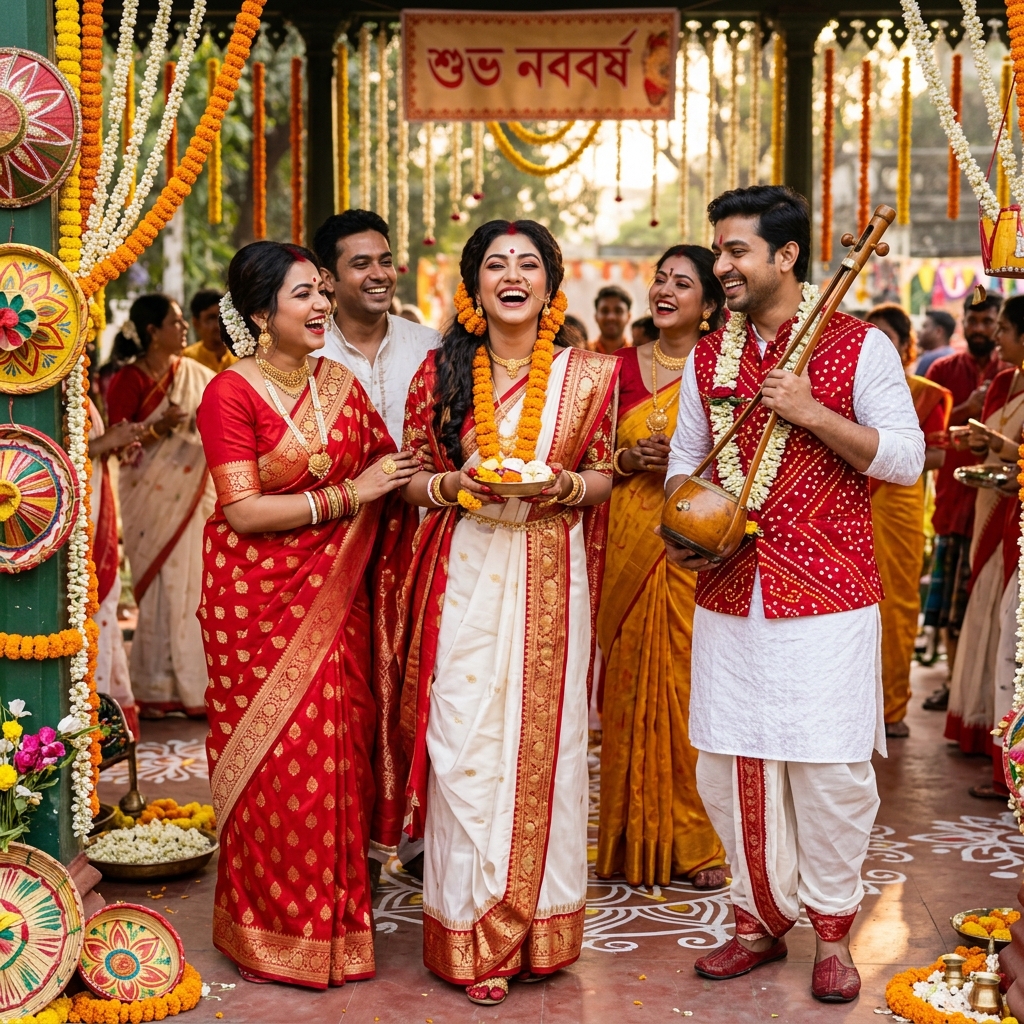
Gariahat has long been the beating heart of South Kolkata's shopping culture. The lanes around Gariahat Market, the saree shops along Rash Behari Avenue, the boutiques near Hindustan Park — generations of South Kolkata families have bought their wedding sarees, Puja outfits, and everyday cottons from this part of the city. But over the years, something has changed. The rents have gone up. The middlemen have multiplied. And the weaver who actually made the saree often gets the smallest share.
That is why more and more shoppers from Gariahat, Ballygunge, Jadavpur, and Tollygunge are making the short trip north to Barasat. At Saha Textile, located at Champadali, we have been serving customers from across Kolkata — including South Kolkata — since 1986. We do not have a branch in Gariahat. We have something better: direct relationships with weavers, honest pricing, and a collection that rivals anything you will find on Rash Behari Avenue.
If you are searching for a saree shop in Gariahat but want authenticity without the boutique markup, our Barasat showroom is worth the 45-minute journey. Ask any of our regular customers from South Kolkata — they will tell you the savings on a single bridal Benarasi more than cover the auto fare.
Saha Textile was started in 1986 by a family that understood something simple: Bengali women deserve sarees that honor their heritage without emptying their purses. Back then, Barasat was a quieter town. Champadali was a local market where farmers sold vegetables and a few shops sold cloth. Our founder began by selling handloom cottons and tant sarees sourced directly from weavers in Shantipur and Phulia.
Word spread. First within Barasat. Then to the nearby villages of North 24 Parganas. Then, sometime in the early 1990s, a customer from Gariahat heard about our prices from a relative. She came. She bought. She told her neighbors. That is how the South Kolkata connection began — not through advertising, but through the oldest form of marketing: a satisfied customer talking to another.
Today, nearly four decades later, we see the grandchildren of our earliest customers walking through our doors. A woman who bought her wedding saree here in 1992 now brings her daughter for bridal shopping. A professor from Jadavpur University who started buying cotton sarees from us in the 2000s still visits every summer. This is not a customer base built on discounts or flash sales. It is built on trust — the kind that only decades of honest business can create.
Our showroom at Champadali, Barasat, has grown from a single counter to a space that displays thousands of sarees. But the principle remains the same: source directly from weavers, price fairly, and treat every customer — whether they come from Barasat or Ballygunge — with the same respect.
After nearly forty years in this business, you start to notice patterns. Not just in what sells, but in when it sells and who buys it. Here is what we have observed about our customers from Gariahat and South Kolkata:
Every year, starting from late August, our tant saree section empties faster than we can restock. Many of these customers come from South Kolkata — Gariahat, Ballygunge, Dhakuria. Over the years, we have noticed that customers preparing for Durga Puja prefer lightweight tant sarees because they combine comfort with traditional Bengali styling. The humidity of Kolkata in October makes heavy silk impractical for pandal hopping. A crisp white tant with a red border — the classic Garad — remains the most requested Puja saree. We keep hundreds in stock by September.
Bengali weddings run from November through February, and our bridal section sees its busiest months during this period. South Kolkata brides tend to have distinct preferences. Many families from Gariahat and nearby areas prefer Benarasi silk in deep red or maroon for the main wedding ceremony. For the Gaye Holud, yellow Katan silk or Tussar is popular. The Bou Bhat saree is often a lighter Benarasi or a designer piece in pastel shades. We have dressed brides whose families have shopped in Gariahat for generations, but who now come to us because they get the same quality at a fraction of the price.
From March to June, the cotton saree section becomes the busiest part of our showroom. South Kolkata's heat is no joke, and our customers know it. We see a spike in demand for pure handloom cotton from Dhaniakhali, soft cotton from Shantipur, and the lighter Jamdani varieties. Many of our Gariahat customers are working women — teachers, doctors, office-goers — who need sarees that breathe. They buy in sets of three or four, enough to last the summer.
There is a particular type of customer who comes in every few months, regardless of season. They head straight for the handloom section. These are usually older customers, or younger women who have inherited an appreciation for traditional weaves from their mothers. They know the difference between a power-loom imitation and a genuine handloom. They check the reverse of the saree. They ask about the weaver. Many of our South Kolkata handloom buyers are professors, artists, or cultural workers who understand that wearing handloom is not just fashion — it is a way of keeping a tradition alive.
We do not claim to be the biggest saree shop in Kolkata. We do not have a branch on every street. But here is what brings customers from Gariahat and beyond to our Barasat showroom:
Our showroom displays thousands of sarees at any given time. Handloom cottons from Dhaniakhali. Tant sarees from Shantipur and Phulia. Benarasi silk from the looms of Varanasi. Katan silk. Tussar. Baluchari with mythological motifs. Jamdani with intricate floral patterns. Designer fusion pieces. Bridal collections. Daily wear collections. A customer from Gariahat who visited last month told us she found more variety here than in three Gariahat boutiques combined.
In an age where machine-made sarees are passed off as handloom, we take pride in selling the real thing. Every handloom saree in our shop comes with the understanding that it was woven on a loom, not printed in a factory. Our staff can show you the telltale signs: the slight irregularity in the weave, the texture of the thread, the way the pallu falls. This matters to our South Kolkata customers, many of whom have grown up wearing genuine handloom and can spot a fake immediately.
Wedding sarees are a serious investment. We understand that. Our bridal section starts from around ₹5,000 for a simple Benarasi and goes up to ₹25,000+ for premium pieces with heavy zari work. But here is what our Gariahat customers appreciate: we do not push the most expensive piece. We ask about the wedding venue, the time of day, the jewelry the bride will wear. Then we suggest options. A morning wedding in a community hall calls for a different saree than an evening reception at a five-star hotel. This kind of guidance comes from experience, not a sales script.
Our staff has been with us for years. They know the stock. They know the weavers. Most importantly, they know when to step back and let a customer browse. South Kolkata shoppers, in particular, seem to value this. They often come in groups — mother and daughter, sisters, friends — and they want time to discuss, compare, and decide. We give them that time. There is no clock ticking, no salesperson hovering. Just a cup of tea and the space to choose what feels right.
In the saree business, reputation is everything. A single bad experience spreads faster than a good one. That is why we have never compromised on quality. The saree you buy today should look as good ten years from now as it does today. Our customers from Gariahat who have been coming for twenty years know this. They do not need to check the quality anymore. They trust us. That trust is the real reason they keep coming back.
South Kolkata has its own saree shopping culture. The Gariahat market, the boutiques on Rash Behari Avenue, the smaller shops in Hindustan Park and Lake Gardens — each serves a different kind of customer. Here is what we have learned about South Kolkata shoppers over the years:
Customers who come to us from Gariahat, Ballygunge, Jadavpur, and Tollygunge tend to be well-informed. They have shopped at multiple stores. They know the difference between a ₹2,000 saree and a ₹10,000 saree. They ask specific questions: "Is this pure silk or art silk?" "Which weaving cluster is this from?" "Will the color bleed?" They are not looking for the cheapest option. They are looking for the best value. And they are willing to travel to find it.
South Kolkata weddings tend to be grand affairs. The bridal saree is not just an outfit — it is a statement. Families from Gariahat often book an entire day for bridal shopping. They come with a list: one saree for the wedding, one for the reception, one for the Gaye Holud, gifts for the mother-in-law and sisters-in-law. We have learned to prepare for these visits. We keep our best pieces ready. We offer a private space for the family to sit and discuss. And we never rush a bridal decision. A bride from South Kolkata who shopped with us last winter bought her wedding Benarasi, a reception Katan, and three gift sarees — all in one visit. Her mother told us she had saved enough to pay for the wedding photographer.
Durga Puja is the biggest festival for Bengali families, and South Kolkata celebrates it with unmatched enthusiasm. Our Gariahat customers start planning their Puja sarees by July. The Ashtami saree is usually the most important — it is the one that will be photographed the most. Many prefer Garad or Korial tant in white with red borders. For Nabami, a slightly more elaborate piece — perhaps a silk-cotton blend or a light Benarasi. By the time October arrives, our South Kolkata regulars have already made their purchases and moved on to blouse stitching.
Bengali weddings follow specific traditions, and the sarees reflect that. The bride typically wears red or maroon Benarasi silk for the main ceremony. The Gaye Holud ceremony requires yellow. The Bou Bhat, the first meal at the in-laws' house, calls for a new saree — often something lighter and more modern. South Kolkata families tend to be particular about these traditions. A mother from Gariahat who brought her daughter for bridal shopping last year insisted on a specific shade of red — not too bright, not too dark. We showed her twelve options before she found the one that matched her mother's wedding saree. That is the kind of detail we respect.
There is a growing awareness among South Kolkata's younger generation about the importance of supporting handloom weavers. Many of our Gariahat customers in their twenties and thirties specifically ask for handloom sarees. They want to know where the saree was woven, who wove it, and whether the weaver was paid fairly. This is a welcome change. We keep detailed records of our weaving clusters and share this information openly. A Jamdani from Shantipur. A tant from Phulia. A Baluchari from Bishnupur. Each has a story, and our South Kolkata customers want to hear it.
"I have been buying sarees from Gariahat for twenty years. Last year, a colleague told me about Saha Textile in Barasat. I was skeptical — why travel so far? But I went. I bought a Benarasi silk for my daughter's wedding and saved almost eight thousand rupees compared to the Gariahat quote for the same quality. The saree was exquisite. Now I tell everyone in my housing complex in Ballygunge to make the trip."
— Arpita Mukherjee, Ballygunge, South Kolkata
Purchased: Benarasi Silk Bridal Saree
"As a professor at Jadavpur University, I wear sarees almost every day. Gariahat shops are convenient, but the quality has gone down while prices have gone up. A friend recommended Saha Textile. I now buy all my cotton sarees from them — the Dhaniakhali handlooms are perfect for Kolkata summers. The staff remembers my preferences. Last visit, they had already set aside three new pieces they thought I would like. That kind of personal attention is rare."
— Dr. Sutapa Banerjee, Jadavpur, South Kolkata
Purchased: Handloom Cotton Sarees (Annual Collection)
"My mother used to shop in Gariahat for all her Puja sarees. When I got married and moved to Tollygunge, I continued the tradition. But last Durga Puja, I could not find a decent Garad tant under three thousand in Gariahat. My aunt suggested Saha Textile. I found a beautiful white Garad with a red border for twelve hundred. The quality was better than the Gariahat piece I had almost bought. Now my mother shops there too."
— Priya Sen, Tollygunge, South Kolkata
Purchased: Garad Tant Saree for Durga Puja
Common questions from Gariahat and South Kolkata customers.
Saha Textile has one showroom located at Champadali, Barasat. We serve customers from Gariahat and all over South Kolkata who visit our Barasat store for our authentic Bengali saree collections at better prices than city boutiques.
Many Gariahat customers find that our Barasat showroom offers the same quality handloom and silk sarees at significantly lower prices. Since we source directly from weavers, we avoid the high rents and markups of Gariahat market shops.
South Kolkata brides typically prefer Benarasi silk, Katan silk, and Baluchari sarees for weddings. We stock extensive bridal collections with designs ranging from traditional red and gold to modern pastel combinations.
From Gariahat, you can take the Sealdah-Barasat local train from Ballygunge or take a bus to Barasat via B.T. Road. The journey takes approximately 45-60 minutes. Our showroom at Champadali is a short walk from Barasat station.
Yes, our collection includes everything from traditional Bengali weaves to contemporary designer pieces. Many South Kolkata customers who work in offices, academics, and creative fields appreciate our understated cotton and linen sarees for daily wear.
Absolutely. We have dressed brides from Gariahat, Ballygunge, Jadavpur, and other South Kolkata neighborhoods for decades. Our bridal collection includes Benarasi, Katan, Tussar, and designer fusion sarees.
Because we are located in Barasat and source directly from weavers, our prices are typically 20-40% lower than comparable Gariahat boutiques for the same quality. Many customers tell us they save thousands on bridal purchases.
Yes, every saree comes with a matching blouse piece. We also keep a selection of contrast blouse materials. While we do not do stitching ourselves, we can recommend excellent tailors in Barasat who specialize in saree blouses.
Established in 1986, Saha Textile has served customers across Barasat, Kolkata, and West Bengal with authentic Bengali sarees, handloom collections, wedding sarees, and traditional textiles. Our showroom at Champadali, Barasat, welcomes customers from Gariahat, Ballygunge, Jadavpur, Tollygunge, and all corners of South Kolkata. We believe that every saree tells a story — of the weaver's skill, the wearer's grace, and the culture that binds them both.
Make the short trip from South Kolkata to Barasat and discover why Gariahat shoppers have been choosing Saha Textile for decades.