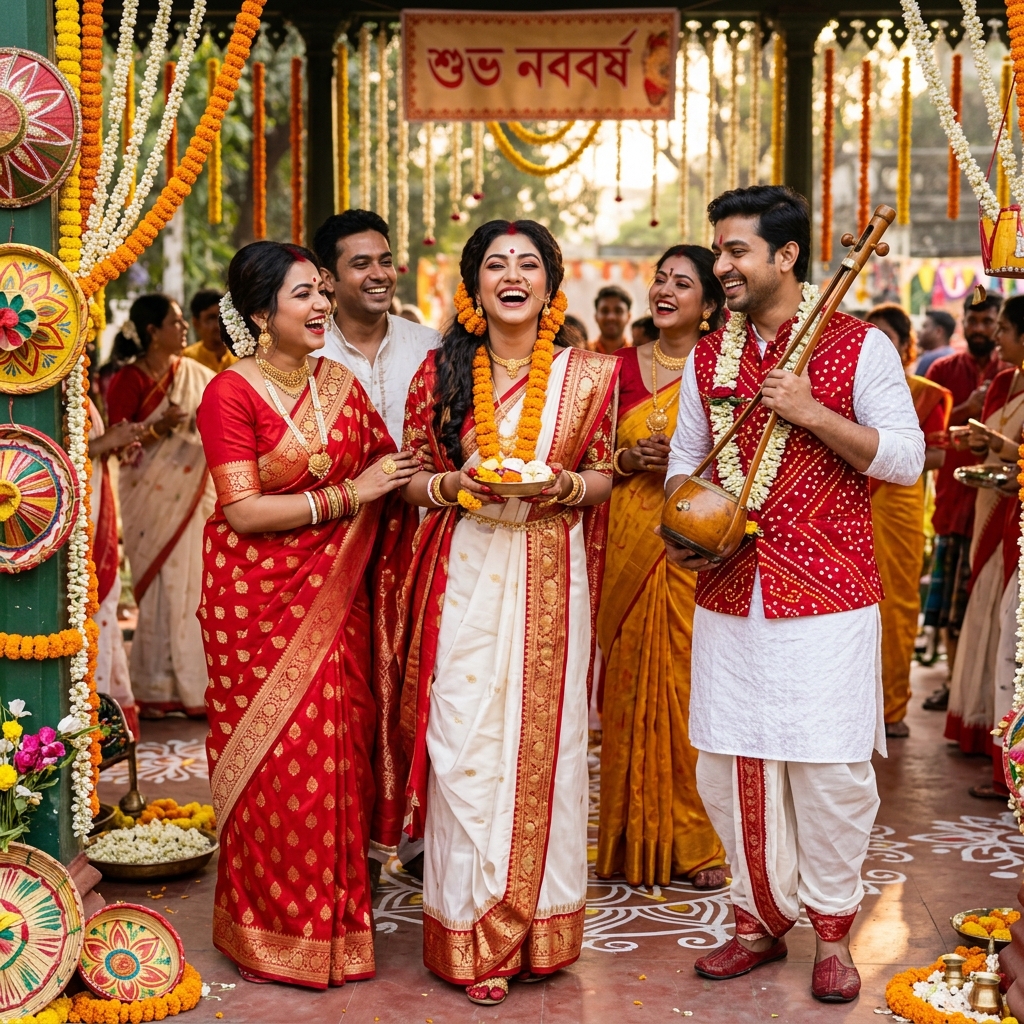
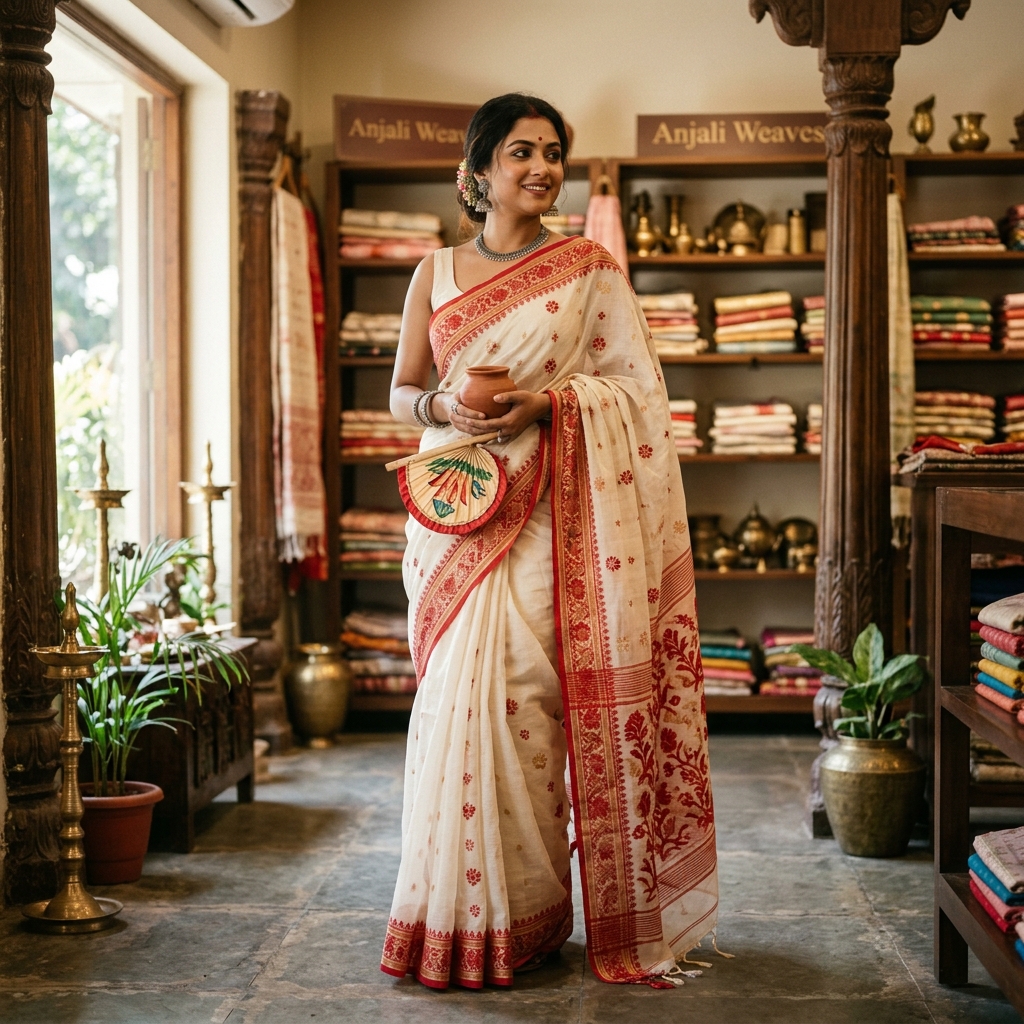
Planning a Bengali wedding? Discover the finest handloom sarees for every ceremony — from Gaye Holud to Bou Bhat. Explore authentic weaves at Saha Textile, Barasat's trusted saree destination since 1986.
A Bengali wedding is not just a ceremony — it is a symphony of rituals, emotions, and traditions that span several days. And at the heart of every moment is the saree. For generations, Bengali brides and their families have understood that the right handloom saree does not merely adorn the body; it carries blessings, heritage, and the promise of a new beginning.
At Saha Textile, Champadali, Barasat — serving families since 1986 — we have helped thousands of brides build their wedding trousseau. From the Gaye Holud to the Bou Bhat, every ceremony demands a specific weave, color, and drape. This guide will walk you through the best handloom sarees for Bengali weddings, helping you make choices that honor tradition while expressing your personal style.
Understanding the Bengali Wedding Ceremony Timeline
Before selecting sarees, it is essential to understand the sequence of events. A traditional Bengali wedding typically includes:
Aiburobhaat: The final meal the bride and groom share with their respective families before marriage. The bride wears something simple yet elegant — often a light handloom cotton saree or a printed tant in pastel shades.
Gaye Holud: The haldi ceremony where turmeric paste is applied to bless the couple. Yellow is the dominant color, making soft cotton sarees for women in bright yellow the practical and traditional choice.
Wedding Day: The main ceremony where the bride traditionally wears a red or maroon Benarasi silk saree. However, many modern brides are choosing premium handloom sarees in silk-blend varieties that offer comfort without compromising grandeur.
Bou Bhat: The reception hosted by the groom's family. This is where the new bride dazzles in her finest — often a Korial tant or an elegant handloom piece in off-white with gold borders.
The Essential Wedding Trousseau: Handloom Sarees Every Bride Needs
Garad Tant for Pre-Wedding Rituals
The Garad tant saree — with its pristine white body and bold red border — is considered one of the most auspicious sarees in Bengal. For the Ashirbaad ceremony, where elders bless the couple, the bride traditionally wears Garad. At our Tant Saree Collection in Barasat, we stock authentic Garad sarees sourced directly from Dhaniakhali weavers who have perfected this weave over generations.
The crisp texture of Garad, combined with its symbolic colors, makes it irreplaceable for rituals. Unlike heavier silks, Garad allows the bride to sit comfortably on the floor during lengthy ceremonies while maintaining an aura of purity and devotion.
Benarasi Silk for the Main Wedding Ceremony
No Bengali wedding saree discussion is complete without the Benarasi. Woven in Varanasi but deeply beloved in Bengal, the Benarasi silk saree represents the pinnacle of bridal luxury. The heavy zari work, intricate motifs of flowers, paisleys, and temple borders, and the rich, weighty drape make every bride feel like royalty.
At Saha Textile, we guide brides to choose Benarasi colors based on skin tone and personal preference. While red remains the classic choice, modern brides from Barasat and Kolkata are increasingly opting for:
Deep Maroon: Richer than red, flattering on most Indian skin tones, and deeply traditional.
Rose Pink: A softer alternative that photographs beautifully and suits daytime weddings.
Dual-Tone: Combining two complementary colors for a contemporary twist on tradition.
Korial Tant for the Reception
After the intensity of the wedding day, the Bou Bhat reception calls for something elegant yet comfortable. The Korial tant saree — off-white with delicate borders — is the perfect choice. It signifies the bride's transition into her new home while maintaining the grace expected of a Bengali daughter-in-law.
Our Korial collection at Saha Textile features borders in gold, silver, and copper zari, allowing brides to match their jewelry and personal style. The lightweight nature of Korial makes it ideal for long receptions where the bride must greet hundreds of guests.
Handloom Cotton for Gaye Holud
The haldi ceremony is joyful, messy, and deeply intimate. A bright yellow pure cotton saree is both practical and auspicious. At our Cotton Saree Collection, we stock vibrant yellow cotton sarees that can withstand turmeric stains while looking stunning in photographs.
Many brides choose to keep their Gaye Holud saree as a memento — a reminder of the laughter, blessings, and love that surrounded them before the main ceremony.
Handloom vs. Powerloom: Why Brides Should Choose Authentic
One question we hear frequently at our Handloom Saree Shop in Barasat is: why pay more for handloom when powerloom sarees look similar?
The answer lies in what cannot be seen — only felt.
Texture: Handloom sarees have a softer, more fluid drape because the tension of the warp threads is controlled by the weaver's hands, not a machine. This creates a fabric that flows gracefully and feels comfortable against the skin during long wedding ceremonies.
Uniqueness: No two handloom sarees are identical. Minor variations in the weave, slight differences in border alignment — these are not flaws but signatures of human craftsmanship. On your wedding day, wearing something truly one-of-a-kind carries deep emotional value.
Breathability: Bengal's humid climate makes breathability essential. Handloom cotton and silk-blend sarees allow air circulation, preventing the discomfort that brides often experience in heavily synthetic powerloom alternatives.
Heritage: When you choose handloom, you support the livelihoods of master weavers in Shantipur, Phulia, Dhaniakhali, and Murshidabad. Your wedding saree becomes part of a chain of tradition that stretches back centuries.
Color Symbolism in Bengali Wedding Sarees
Bengali wedding traditions attach deep meaning to colors. Understanding this symbolism helps brides make intentional choices:
Red: The color of fertility, prosperity, and marital bliss. Red Benarasi is the undisputed queen of Bengali bridal wear.
White/Off-White: Represents purity and new beginnings. Garad and Korial sarees embody this symbolism.
Yellow: The color of turmeric, blessings, and joy. Essential for Gaye Holud and other pre-wedding rituals.
Green: Symbolizes new life and growth. Some brides choose green for reception events.
Gold: Represents wealth and abundance. Gold zari work on borders and pallus adds grandeur without overwhelming the base color.
How to Build Your Wedding Trousseau on a Budget
Not every family can afford multiple Benarasi sarees — and that is perfectly fine. At Saha Textile, we believe every bride deserves to feel beautiful regardless of budget. Here is how to build a stunning trousseau without overspending:
Prioritize the Main Ceremony: Allocate the largest portion of your budget to the wedding day Benarasi or silk-blend handloom. This is the saree that will feature in your most important photographs.
Choose Cotton Tant for Secondary Events: For Gaye Holud, Aiburobhaat, and morning rituals, authentic tant sarees in the ₹800–₹1,500 range are perfect. They are traditional, comfortable, and photograph beautifully.
Invest in One Versatile Handloom: A well-chosen handloom saree in a neutral shade with an elegant border can work for multiple events — simply change your jewelry and blouse design.
Consider Silk-Blend Options: Our designer tant sarees with silk borders offer the bridal look at a fraction of pure silk prices. They are also more comfortable for long ceremonies.
Accessorizing Your Wedding Handloom Saree
The saree is only half the story. The right accessories elevate a beautiful weave into a breathtaking bridal look:
Jewelry: Gold temple jewelry complements handloom sarees beautifully. For Benarasi, heavy necklaces and jhumkas work best. For lighter tant sarees, delicate pieces prevent overwhelming the outfit.
Blouse Design: The blouse can transform your saree. Deep backs, elbow-length sleeves with zari work, and high necks are trending among Barasat brides. We can recommend trusted tailors who specialize in traditional Bengali blouse patterns.
Hair and Makeup: A classic bun adorned with fresh jasmine flowers pairs perfectly with handloom sarees. For makeup, warm tones with a bold red lip complement traditional bridal colors.
Footwear: Choose comfortable heels or embellished flats. Remember — you will be standing, sitting, and walking for hours. Comfort is as important as style.
Mother of the Bride: Choosing the Perfect Handloom Saree
The mother of the bride deserves to look and feel her best. At Saha Textile, we help mothers select sarees that honor their role while respecting their comfort:
Lightweight Handloom Cotton: For mothers who prioritize comfort, our Bengal cotton saree collection offers elegant options that are easy to drape and wear for long hours.
Silk-Blend Tant: For mothers who want a touch of luxury without the weight of pure silk, silk-blend tant in deep colors like maroon, teal, or navy is ideal.
Garad for Rituals: Many mothers choose to wear Garad alongside their daughters during Ashirbaad and other blessing ceremonies — a beautiful visual of shared tradition.
Why Barasat Brides Choose Saha Textile for Wedding Shopping
For nearly four decades, brides from Barasat, Madhyamgram, Barrackpore, Dum Dum, and across North 24 Parganas have trusted Saha Textile for their wedding trousseau. Here is why:
Curated Bridal Collections: Every wedding season, our team travels to weaving clusters across Bengal to handpick the finest pieces. Our bridal collection is not random stock — it is a carefully selected range chosen specifically for Barasat brides.
Personalized Bridal Consultations: We understand that wedding shopping can be overwhelming. Our experienced staff provides one-on-one guidance, helping you select sarees that match your body type, skin tone, ceremony schedule, and budget.
Authenticity Guarantee: Every handloom saree we sell comes with our promise of authenticity. We work directly with weavers, eliminating middlemen and ensuring genuine quality.
Prices for Every Budget: From ₹800 cotton tant sarees to premium Benarasi pieces, we believe every bride deserves authentic Bengali weaves regardless of budget constraints.
Frequently Asked Questions About Wedding Handloom Sarees
Which handloom saree is best for a Bengali bride?
For the main wedding ceremony, a red or maroon Benarasi silk saree is the traditional choice. However, many modern brides choose silk-blend handloom sarees that offer similar grandeur with greater comfort. For pre-wedding rituals, Garad tant and yellow cotton sarees are essential.
How much should I budget for wedding sarees?
A complete wedding trousseau at Saha Textile can range from ₹5,000 to ₹50,000 depending on your choices. Most brides find beautiful options between ₹10,000 and ₹20,000, including one premium piece for the main ceremony and several affordable options for secondary events.
Can I wear handloom sarees for all wedding ceremonies?
Absolutely. Handloom sarees are appropriate for every Bengali wedding ceremony. For daytime events, choose lightweight cotton handloom. For evening ceremonies, silk-blend handloom offers elegance and comfort. The main ceremony traditionally calls for the finest piece in your collection.
What is the difference between Garad and Korial?
Garad has a pure white body with a thick red border, worn primarily for religious ceremonies and blessings. Korial has an off-white or cream body with a more delicate border, making it suitable for receptions and semi-formal occasions. Both are essential for a complete bridal trousseau.
Do you have Benarasi sarees at Saha Textile?
Yes, we stock a curated collection of Benarasi silk sarees for brides. While our specialty is Bengali handloom, we understand that Benarasi is essential for the main wedding ceremony. Our Benarasi pieces are selected for their authentic zari work and traditional motifs.
How do I care for my wedding handloom sarees?
Handloom cotton and tant sarees should be washed separately in cold water with mild detergent. Dry in shade. For Benarasi and silk pieces, dry clean only. Store all wedding sarees wrapped in muslin cloth in a cool, dry place. With proper care, your wedding sarees can become family heirlooms.
Can I get my wedding saree blouse stitched at Saha Textile?
While we do not offer in-house tailoring, we can recommend experienced tailors in Barasat who specialize in traditional Bengali bridal blouses. They understand the specific measurements and styles that complement handloom and Benarasi sarees.
What colors are trending for Bengali brides in 2025?
While red remains timeless, we are seeing increasing demand for rose pink, deep maroon, and dual-tone sarees among Barasat brides. For pre-wedding events, pastel shades and vibrant yellows are popular choices.
Do you offer wedding saree packages?
Yes, we offer curated wedding trousseau packages that include sarees for all major ceremonies at bundled prices. Visit our Champadali showroom to discuss your needs, and our team will create a customized package within your budget.
Where is Saha Textile located?
Saha Textile is located at Champadali, Barasat, Kolkata, West Bengal 700124. We are easily accessible from Barasat bus stand and railway station. Open 7 days a week, 10 AM to 9 PM. Call +91 8617789846 to schedule a bridal consultation.
Conclusion: Your Wedding Saree is More Than Fabric
On your wedding day, you are not just wearing a saree — you are wearing centuries of Bengali tradition, the skill of master weavers, and the blessings of your family. The right handloom saree becomes a part of your story, a keepsake you will treasure long after the celebrations end.
Whether you dream of a classic red Benarasi, a crisp white Garad, or a contemporary silk-blend handloom, Saha Textile at Champadali, Barasat has been helping brides find their perfect weave since 1986. Visit us this wedding season, and let our experienced team help you build a trousseau that honors your heritage while celebrating your unique style.
Because every Bengali bride deserves to drape herself in authenticity, elegance, and love.