Saha Textile - Best Saree Shop in Kolkata Logo

Saha Textile

How to Identify an Authentic Tant Saree: Expert Tips from Barasat's Trusted Saree Shop - Featured Image
Published on June 05, 2026

How to Identify an Authentic Tant Saree: Expert Tips from Barasat's Trusted Saree Shop

← Back to Stories
Learn how to spot genuine Bengali tant sarees with expert tips from Saha Textile, Barasat. Discover the difference between handloom and powerloom tant, and buy with confidence.

Walk into any saree market in Barasat, Kolkata, or anywhere in West Bengal, and you will find dozens of vendors claiming to sell "authentic tant sarees." But how do you know if what you are buying is genuinely handwoven or just a machine-made imitation? At Saha Textile, Champadali, Barasat — trusted by families since 1986 — we believe every saree buyer deserves to know exactly what they are investing in.

This comprehensive guide will teach you how to identify an authentic tant saree, distinguish between handloom and powerloom varieties, and make informed purchases that honor both your wallet and Bengal's weaving heritage.

What is a Tant Saree? Understanding Bengal's Beloved Weave

Before learning to identify authenticity, it is important to understand what makes tant sarees special. The word "tant" simply means "loom" in Bengali, and Bengali tant sarees are lightweight cotton sarees woven on traditional handlooms across the weaving belt of Bengal.

The hallmark of a genuine tant saree is its crisp texture, breathable cotton body, and elegantly woven borders. Unlike heavy silk sarees, tant is designed for Bengal's hot and humid climate — it keeps you cool, drapes beautifully, and actually improves with each wash.

The finest tant sarees come from specific weaving clusters: Dhaniakhali (known for fine, crisp weaves), Phulia (famous for intricate motifs), Shantipur (renowned for traditional patterns), and Atpur (celebrated for checks and stripes). At our Tant Saree Collection in Barasat, we source directly from these clusters, ensuring every piece carries the authentic signature of its origin.

The Handloom vs. Powerloom Difference

This is the most critical distinction every tant buyer must understand. The difference between handloom and powerloom tant is not merely about how the saree was made — it affects everything from texture and durability to cultural value and price.

What is Handloom Tant?

A handloom tant saree is woven manually on a traditional pit loom or frame loom. The weaver controls every thread, every tension adjustment, and every pattern variation by hand. This human involvement creates subtle irregularities that are the hallmark of authenticity.

At our Handloom Saree Shop in Barasat, we specialize in genuine handloom tant because we believe in preserving this dying art. Each handloom tant saree takes 2–3 days to complete and supports the livelihood of rural weavers who have inherited this craft through generations.

What is Powerloom Tant?

Powerloom tant is machine-made. While it may look similar at first glance, the uniformity of machine weaving eliminates the very characteristics that make tant special. Powerloom sarees are cheaper, mass-produced, and lack the soul of handwoven pieces.

That said, powerloom tant has its place — for daily wear where budget is a primary concern, it offers an affordable alternative. The key is knowing what you are buying and paying a fair price for it.

10 Expert Ways to Identify an Authentic Handloom Tant Saree

1. Check the Reverse Side of the Border

Flip the saree and examine the reverse side of the border. On a genuine handloom tant saree, the weft threads of the border will be clearly visible and may show slight irregularities. Powerloom borders are perfectly uniform on both sides — too perfect to be handmade.

2. Feel the Texture

Authentic handloom tant has a distinctive crispness — almost like starched cotton — that softens beautifully after the first wash. Powerloom tant feels smoother from the start but lacks this characteristic crispness. Run your fingers along the body of the saree; handloom will have a slightly rough, textured feel compared to the slick uniformity of machine-made fabric.

3. Look for Pinholes or Minor Imperfections

This may sound counterintuitive, but small pinholes or slight thread irregularities are actually signs of authenticity. Handloom weaving involves manually passing the shuttle through the warp threads, and tiny gaps occasionally appear. These "flaws" are proof of human hands at work. Powerloom fabric is too mechanically perfect.

4. Examine the Pallu Closely

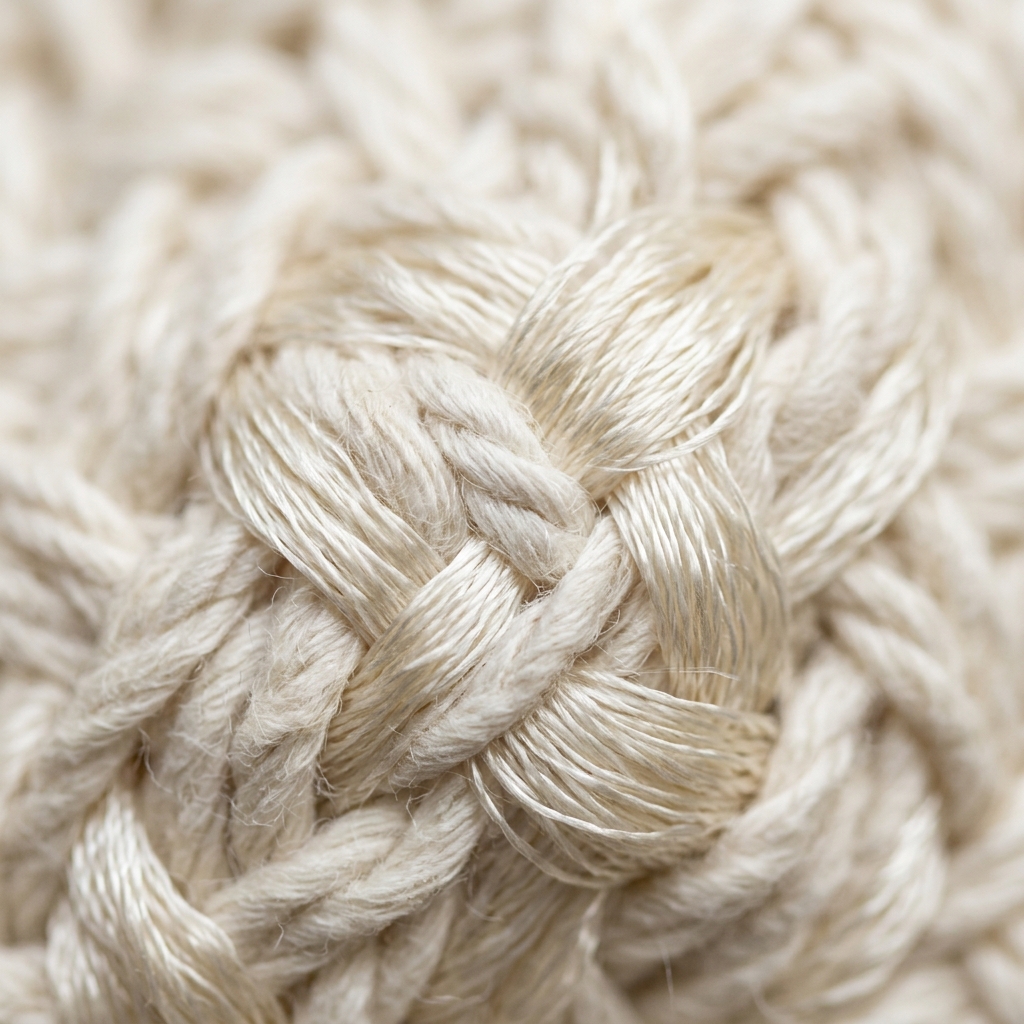
The pallu (the decorative end piece) of an authentic tant saree shows the weaver's skill most clearly. In handloom tant, the pallu design will have slight variations in thread density and pattern alignment. The tassels at the pallu end should be hand-knotted, not machine-finished. At Saha Textile, our experienced staff can show you these details on any saree in our collection.

5. Check the Selvedge (Edges)

The selvedge — the finished edges running along the length of the saree — reveals much about how it was made. Handloom selvedges are slightly thicker and may show minor tension variations. Powerloom selvedges are thin, perfectly even, and sometimes have a synthetic stiffness.

6. Test the Drape

Hold the saree up and let it flow. Authentic handloom cotton drapes in soft, natural folds that fall gracefully. Powerloom cotton tends to hang more stiffly or cling unnaturally. The drape test is one of the most reliable indicators — and one that experienced buyers at our Barasat showroom use instinctively.

7. Look for the Handloom Mark

Many authentic handloom sarees carry the Government of India's Handloom Mark — a certification that guarantees the piece was woven on a handloom. While not all handloom sarees have this mark (especially those from smaller cooperatives), its presence is a strong authenticity indicator.

8. Ask About the Weaving Cluster

Every authentic tant saree has a story — where it was woven, by which community of weavers, using what traditional technique. At Saha Textile, we can tell you the origin of every tant saree in our collection. If a seller cannot or will not tell you where their "handloom" sarees come from, be suspicious.

9. Compare Prices Realistically

Genuine handloom tant requires 2–3 days of skilled labor. If a seller offers "handloom" tant sarees at ₹200–₹300, they are almost certainly powerloom. Realistic prices for authentic handloom tant start around ₹800–₹1,000 for simple designs and can go up to ₹3,000+ for intricate, fine-weave pieces. Our Cotton Saree Collection offers transparent pricing for every category.

10. Buy from a Trusted Source

The simplest way to ensure authenticity is to buy from a reputable, established seller. Saha Textile has served Barasat families since 1986. Our relationships with weaving cooperatives span decades, and our reputation depends on every saree we sell being genuinely what we claim it to be.

Understanding Tant Saree Varieties

Not all tant sarees are the same. Different weaving clusters produce distinct styles, and knowing these differences helps you choose the right saree for the right occasion:

Garad Tant

The most traditional and auspicious variety. White body with a thick red border. Worn during Durga Puja, weddings, and religious ceremonies. The crispness of Garad is unmatched — it holds its shape beautifully and photographs stunningly.

Korial Tant

Similar to Garad but with an off-white or cream body and a more delicate border. Korial is lighter, easier to drape, and suitable for both festive and semi-formal occasions. It is the preferred choice for wedding receptions and daytime celebrations.

Dhaniakhali Tant

Named after the famous weaving town, Dhaniakhali tant is known for its fine, tight weave and geometric patterns. The body often features small butis (motifs) woven into the fabric. These sarees are prized for their durability and elegant simplicity.

Atpur Tant

Characterized by checks, stripes, and bold patterns, Atpur tant is perfect for women who prefer contemporary designs within traditional frameworks. The checks are created by alternating colored warp and weft threads — a technique that requires significant skill.

Designer Tant

Modern interpretations that blend traditional weaving with contemporary aesthetics. Designer tant sarees may feature dual-tone borders, unusual color combinations, or motifs inspired by nature and art. These are perfect for younger women who want to honor tradition while expressing individual style.

How to Care for Your Authentic Tant Saree

Once you have invested in a genuine tant saree, proper care ensures it lasts for years and even improves with age:

Washing: Wash separately in cold water using mild detergent. Avoid harsh chemicals or bleach. Hand washing is preferable, though gentle machine cycles work for simpler weaves.

Drying: Always dry in shade. Direct sunlight can fade the vibrant colors that make tant sarees so beautiful. Hang vertically to prevent creasing.

Starching: A light starch after washing helps maintain the characteristic crispness of tant. This is especially important for Garad and Korial varieties.

Storage: Fold neatly and store in a cotton bag or muslin cloth. Avoid plastic covers, which trap moisture and can damage the fabric over time.

Ironing: Iron while slightly damp for best results. Use medium heat — too hot, and you risk scorching the cotton fibers.

Common Scams and How to Avoid Them

Unfortunately, the saree market has its share of dishonest practices. Here are common scams to watch for:

Powerloom Sold as Handloom: The most common deception. Always use the identification techniques above, and buy from sellers with established reputations.

Blended Cotton Sold as Pure: Some vendors mix synthetic fibers with cotton and sell them as "pure cotton." Authentic tant should feel completely natural against your skin. At Saha Textile, our pure cotton sarees are guaranteed 100% natural fiber.

Printed Imitations: Some powerloom sarees have borders printed on rather than woven. Examine the border closely — woven borders have texture and depth that printed ones cannot replicate.

Inflated Pricing: Some sellers charge handloom prices for powerloom products. Knowing realistic price ranges (₹800+ for handloom tant) protects you from overpaying.

Why Saha Textile Guarantees Authenticity

In a market flooded with imitations, why do families across Barasat, Madhyamgram, Barrackpore, and Dum Dum trust Saha Textile?

Direct Weaver Relationships: We do not buy from wholesalers or middlemen. Our team visits weaving clusters personally, selecting pieces directly from the artisans who create them. This eliminates the risk of counterfeit products entering our supply chain.

Transparent Pricing: Every saree in our collection is priced according to its true category — handloom, powerloom, or blended. We clearly label each piece so you know exactly what you are buying.

Decades of Reputation: Since 1986, we have built our business on trust. A single counterfeit saree would damage the reputation we have spent nearly 40 years cultivating. That is a risk we will never take.

Expert Guidance: Our staff can demonstrate the difference between handloom and powerloom tant in person. We encourage customers to examine, touch, and compare before making a purchase.

Frequently Asked Questions About Identifying Tant Sarees

How can I tell if a tant saree is handloom or powerloom?

Check the reverse side for irregularities, feel for the characteristic crisp texture, look for minor imperfections (which indicate human weaving), and examine the pallu for hand-knotted tassels. Handloom sarees also drape more naturally than the stiffer powerloom alternatives.

What is the price range for authentic handloom tant sarees?

Authentic handloom tant sarees at Saha Textile range from ₹800 for simple daily wear designs to ₹3,000+ for intricate, fine-weave festival pieces. If someone offers "handloom" tant below ₹600, it is almost certainly powerloom.

Are all tant sarees pure cotton?

Traditional tant sarees are 100% cotton. However, some modern variations — particularly silk-blend and designer tant — incorporate silk threads in the border or pallu. We clearly label any blended varieties so you can make an informed choice.

Which is the best place to buy authentic tant sarees in Barasat?

Saha Textile at Champadali, Barasat has been a trusted destination for authentic Bengali tant sarees since 1986. We source directly from Dhaniakhali, Phulia, Shantipur, and Atpur weavers, guaranteeing genuine quality at honest prices.

Do handloom tant sarees shrink after washing?

Minimal shrinkage (2–3%) is normal for pure cotton handloom sarees. This is actually a sign of authenticity — synthetic blends do not shrink. Wash in cold water and dry in shade to minimize shrinkage.

How long does a handloom tant saree last?

With proper care, a genuine handloom tant saree can last 10–15 years or more. Many of our customers have tant sarees passed down from their mothers that are still in beautiful condition. The key is gentle washing, shade drying, and proper storage.

Can I wear tant sarees for weddings?

Absolutely. Garad and Korial tant sarees are traditionally worn during wedding rituals and pujas. For the main ceremony, many brides choose silk, but tant is perfect for pre-wedding events, morning ceremonies, and receptions.

What makes Dhaniakhali tant different from Phulia tant?

Dhaniakhali tant is known for its extremely fine, tight weave and geometric precision. Phulia tant features more elaborate motifs and floral patterns. Both are exquisite — the choice depends on whether you prefer minimalist elegance or decorative richness.

Do you offer return or exchange for tant sarees?

We encourage customers to examine sarees thoroughly before purchase. For genuine quality concerns, we offer exchanges within 7 days with the original receipt. Please visit our Champadali showroom for assistance.

Where is Saha Textile located?

Saha Textile is located at Champadali, Barasat, Kolkata, West Bengal 700124. Open 7 days a week, 10 AM to 9 PM. Call +91 8617789846 to inquire about our current tant collection or schedule a personalized shopping session.

Conclusion: Buy Tant with Confidence

Identifying an authentic tant saree is both an art and a science. The techniques in this guide — examining the reverse side, feeling the texture, checking for imperfections, testing the drape — will serve you well whether you are shopping at our Barasat showroom or anywhere else in Bengal.

But beyond technical identification, there is something equally important: buying from a seller you trust. At Saha Textile, we do not just sell sarees. We share knowledge, preserve tradition, and build relationships that span generations.

Visit us at Champadali, Barasat, and let our experienced team show you the difference that authenticity makes. Because when you drape a genuine Bengali tant saree, you are not just wearing fabric — you are wearing heritage.

Related Stories

Visit Saha Textile Showroom

Explore our exclusive collection of Bengali sarees at Champadali, Barasat, Kolkata

Find Our Store

Discover our complete handloom saree collection in Barasat

Shop Handloom Sarees in Barasat →

Discover More Heritage

Explore All Stories