Saha Textile - Best Saree Shop in Kolkata Logo

Saha Textile

Handloom vs Cotton Sarees: Which Should You Choose? A Complete Buying Guide - Featured Image
Published on June 05, 2026

Handloom vs Cotton Sarees: Which Should You Choose? A Complete Buying Guide

← Back to Stories
Confused between handloom and cotton sarees? Discover the key differences, benefits, and best uses for each. Make the right choice for your wardrobe with Saha Textile, Barasat.

Walk into any saree shop in Barasat or Kolkata, and you will inevitably face a common dilemma: should you choose a handloom saree or a pure cotton saree? Both are beloved staples of Bengali wardrobes, both offer comfort in West Bengal's humid climate, and both carry the legacy of Bengal's rich textile tradition. Yet they are fundamentally different in ways that matter for your specific needs.

At Saha Textile, Champadali, Barasat — where we have guided saree buyers since 1986 — we believe the best choice is an informed choice. This guide will walk you through the key differences between handloom and cotton sarees, helping you understand which weave suits which occasion, budget, and personal preference.

Understanding the Basics: What is a Handloom Saree?

A handloom saree is woven entirely by hand on a traditional loom — either a pit loom operated by foot pedals or a frame loom manipulated by hand. The weaver controls every aspect of the process: threading the warp, passing the shuttle with the weft, adjusting tension, and creating patterns. This human involvement makes every handloom saree unique.

The term "handloom" describes the method of production, not the material. Handloom sarees can be made from cotton, silk, linen, or blended fibers. What defines them is the artisanal process, not the raw material.

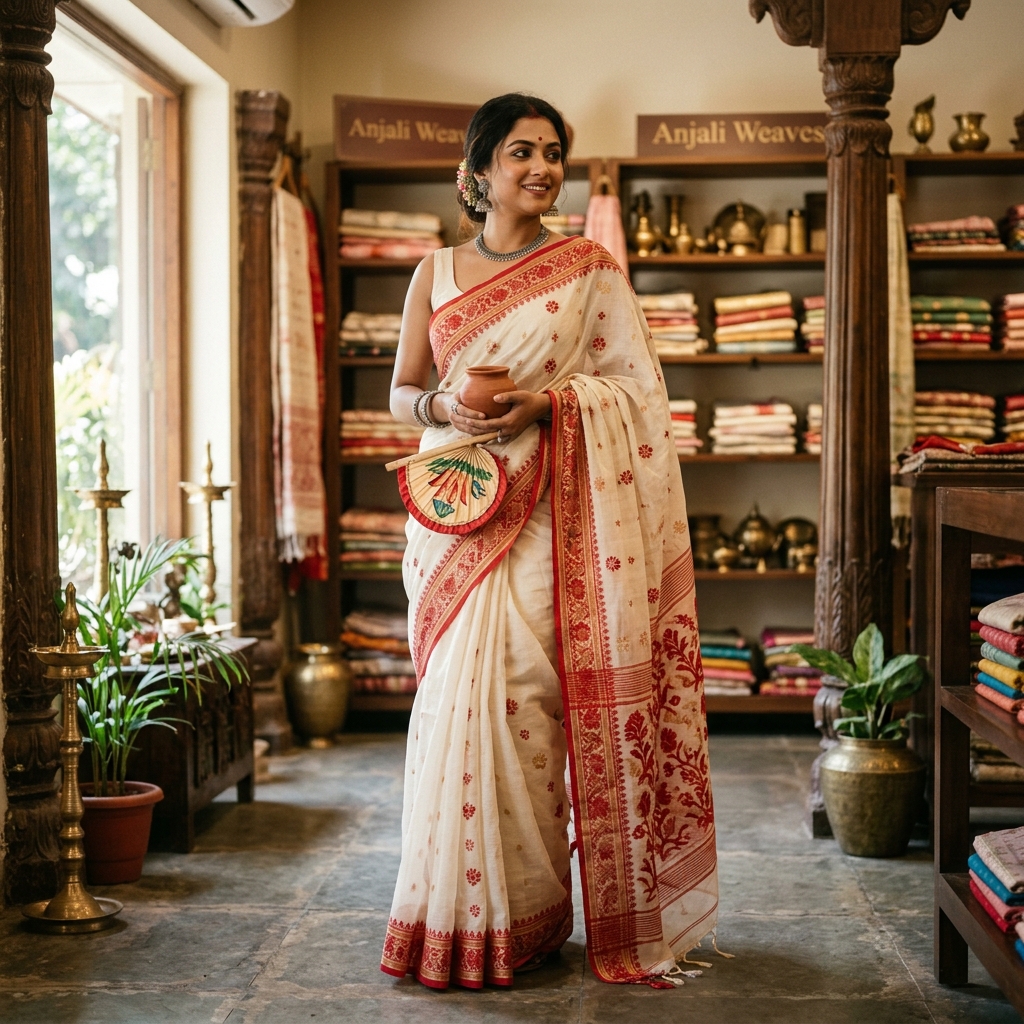
At our Handloom Saree Shop in Barasat, we specialize in cotton handloom sarees — combining the breathability of pure cotton with the artisanal quality of hand weaving. These pieces represent the best of both worlds.

Understanding the Basics: What is a Cotton Saree?

A pure cotton saree is defined by its material: 100% natural cotton fibers. The method of production can vary — it may be handloom cotton (woven by hand) or powerloom cotton (woven by machine). When most people say "cotton saree," they are referring to the material rather than the manufacturing process.

Cotton sarees are the workhorses of Bengali wardrobes. Lightweight, breathable, easy to maintain, and affordable, they are perfect for daily wear, office wear, and casual occasions. From simple printed cotton to elaborate handwoven pieces, the cotton saree category encompasses enormous variety.

Our Cotton Saree Collection at Saha Textile includes everything from budget-friendly daily wear pieces starting at ₹450 to premium handloom cotton for special occasions.

The Key Differences: Handloom vs. Cotton at a Glance

To help you decide, here is a side-by-side comparison of the factors that matter most:

Production Method

Handloom: Woven manually by skilled artisans. Each saree takes 2–3 days to complete. The process is slow, labor-intensive, and requires years of training.

Powerloom Cotton: Woven by machine. A powerloom can produce multiple sarees in a single day. The process is fast, consistent, and requires minimal human intervention.

Texture and Feel

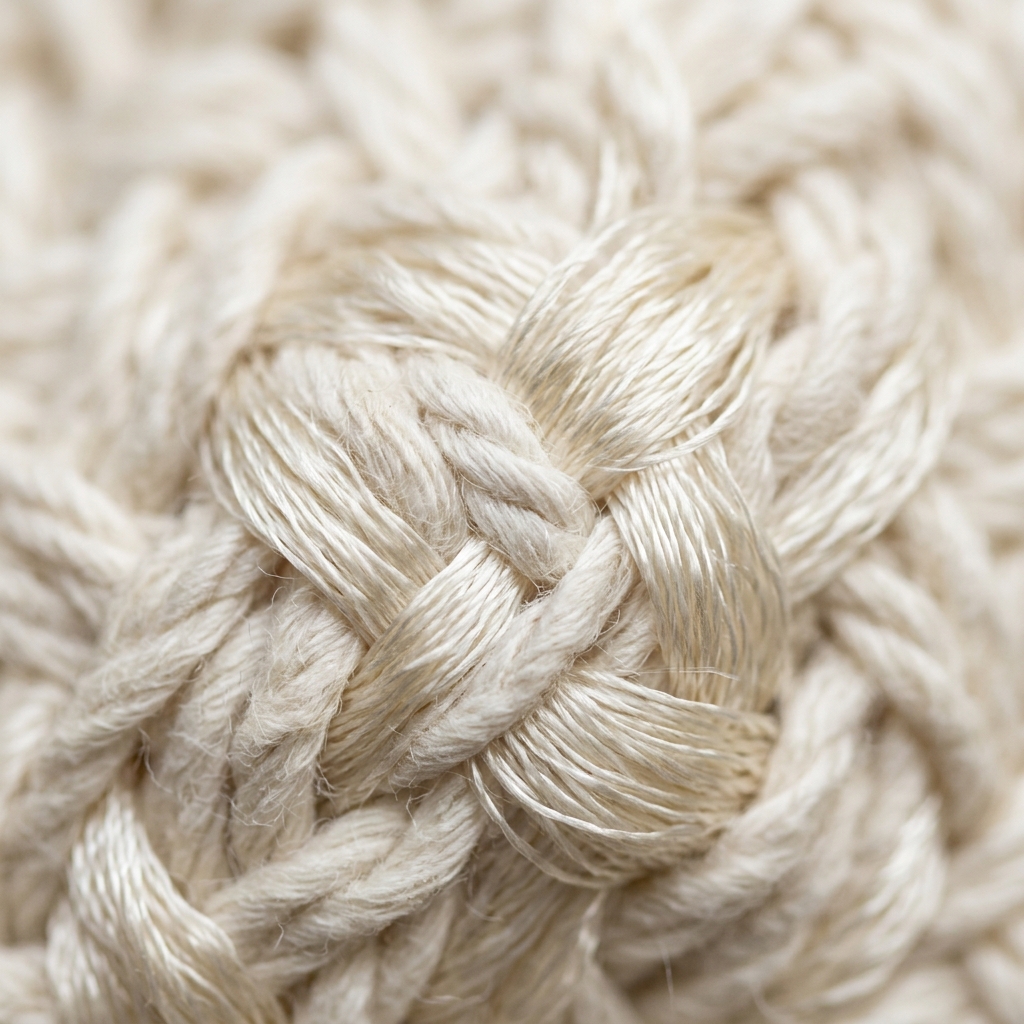
Handloom: Softer, more fluid drape with a characteristic texture. The fabric "breathes" better and adapts to your body temperature. Many handloom cotton sarees have a slight crispness that softens beautifully after the first wash.

Powerloom Cotton: Smoother and more uniform from the start. The drape can be slightly stiffer, and the fabric may feel less organic against the skin.

Uniqueness

Handloom: No two sarees are identical. Minor variations in weave tension, border alignment, and pattern execution make each piece one-of-a-kind. This uniqueness is highly valued by collectors and connoisseurs.

Powerloom Cotton: Every saree from the same design batch is virtually identical. This consistency is practical for daily wear but lacks the character of handwoven pieces.

Price

Handloom: Higher prices reflect the skilled labor involved. Handloom cotton sarees typically start at ₹800 and can go up to ₹3,000+ for intricate designs. The investment supports rural weavers and preserves traditional crafts.

Powerloom Cotton: More affordable due to mass production. Simple cotton sarees start at ₹450, making them accessible to everyone. This democratizes saree ownership but does not support artisanal communities.

Durability

Handloom: With proper care, handloom sarees last 10–15 years or more. The manual weaving process creates stronger interlocking of threads. Many families pass handloom sarees down through generations.

Powerloom Cotton: Generally durable for 3–5 years of regular use. Machine weaving can create stress points where threads are more likely to weaken over time.

Cultural Value

Handloom: Carries deep cultural significance. Wearing handloom supports Bengal's weaving heritage and the livelihoods of artisan communities. It is a statement of values as much as fashion.

Powerloom Cotton: Practical and functional but lacks the cultural narrative of handloom. It serves a purpose without carrying the weight of tradition.

When to Choose a Handloom Saree

Based on nearly four decades of helping Barasat families choose sarees, here are the situations where handloom is the clear winner:

Festivals and Religious Ceremonies

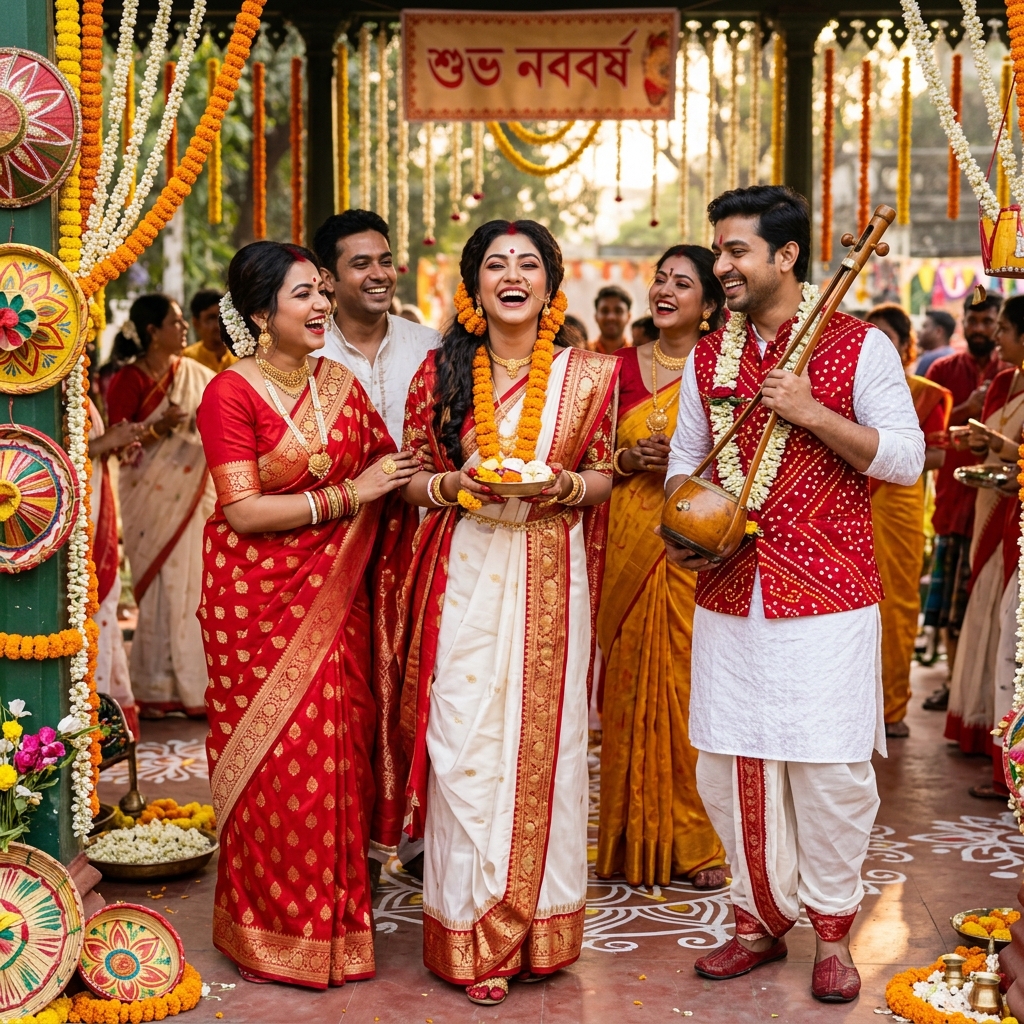
For Durga Puja, Lakshmi Puja, Kali Puja, and other religious occasions, handloom sarees are the traditional choice. The Garad handloom for pujas, the red-and-white handloom for Poila Baisakh — these are not just fashion choices but cultural obligations. The authenticity of handloom matches the sanctity of the occasion.

Weddings and Receptions

Whether you are the bride, the mother of the bride, or a guest, weddings call for your finest pieces. A premium handloom saree in silk-blend or fine cotton conveys respect for the occasion and the hosts. At Saha Textile, our wedding handloom collection is curated specifically for these moments.

Building a Heritage Wardrobe

If you view your saree collection as an investment in heritage — pieces that your daughter or granddaughter might wear someday — handloom is the only choice. These sarees appreciate in sentimental value and often become family treasures.

Supporting Artisan Communities

Every handloom purchase directly supports weavers in Shantipur, Phulia, Dhaniakhali, Murshidabad, and Bishnupur. In an era of fast fashion, choosing handloom is a vote for sustainability, fair wages, and cultural preservation.

When Comfort Matters Most

Paradoxically, handloom cotton is often more comfortable than powerloom cotton for long wear. The manual weaving process creates a looser, more breathable fabric structure that keeps you cooler in Kolkata's humid climate.

When to Choose a Cotton Saree

Cotton sarees — particularly powerloom varieties — excel in situations where practicality is the priority:

Daily Wear and Office Wear

For women who wear sarees daily — whether for work, household duties, or casual outings — soft cotton sarees for women offer unbeatable practicality. They are easy to wash, quick to dry, require minimal ironing, and can be replaced affordably when worn out.

Hot and Humid Weather

All cotton sarees handle humidity well, but simple powerloom cotton is particularly effective. The tighter weave of machine-made cotton actually resists wrinkling better than handloom, keeping you looking crisp throughout the day.

Budget-Conscious Shopping

If you need to build a functional wardrobe with limited funds, powerloom cotton sarees allow you to own multiple pieces for the price of one handloom. Our Cotton Saree Collection starts at just ₹450, making authentic Bengali weaves accessible to everyone.

Experimenting with Colors and Prints

Powerloom cotton offers greater variety in prints, colors, and patterns. If you enjoy changing your look frequently, affordable cotton sarees let you experiment without significant investment.

Gifting

When you need to buy sarees as gifts for multiple people — wedding favors, festival gifts, or corporate presents — cotton sarees offer quality and affordability in equal measure.

The Middle Path: Handloom Cotton Sarees

What if you want the artisanal quality of handloom and the everyday practicality of cotton? Enter handloom cotton sarees — the perfect compromise.

Handloom cotton combines the breathable comfort of pure cotton with the unique texture and cultural value of hand weaving. These sarees are:

More Affordable Than Silk Handloom: Cotton handloom is significantly cheaper than silk handloom, making artisanal quality accessible to more buyers.

Easier to Maintain Than Silk: Unlike silk handloom, cotton handloom can be washed at home with minimal special care.

Versatile for Multiple Occasions: A well-chosen handloom cotton saree works for office wear, casual outings, and even semi-formal events depending on the design.

At Saha Textile, our handloom cotton collection is one of our most popular categories. Customers from Barasat, Madhyamgram, and across North 24 Parganas appreciate the balance of quality, comfort, and value.

Expert Tips for Choosing the Right Saree

After helping thousands of customers, our team at Saha Textile has developed these guidelines:

Consider Your Lifestyle

Do you wear sarees daily or only for special occasions? Daily wear calls for practical cotton; special occasions deserve handloom. Many of our customers maintain both — a wardrobe of affordable cotton for everyday and a collection of handloom pieces for celebrations.

Factor in the Climate

Barasat and Kolkata's humidity makes cotton essential. All cotton sarees work well, but handloom cotton offers superior breathability. If you struggle with heat, prioritize handloom cotton over powerloom alternatives.

Think About Longevity

If you are buying a saree for a once-in-a-lifetime event — your wedding, your daughter's graduation, a milestone anniversary — invest in handloom. The emotional and cultural value far exceeds the price difference.

Start with One Quality Piece

If you are new to sarees or building your first collection, start with one quality handloom piece and supplement with affordable cotton. Over time, you can add more handloom as budget allows.

Buy from Trusted Sellers

Whether choosing handloom or cotton, buy from sellers who clearly label their products and can answer questions about origin, weaving method, and care. At Saha Textile, transparency is our policy.

Caring for Your Sarees: Handloom vs. Cotton

Proper care extends the life of any saree, but the approach differs slightly:

Handloom Saree Care

Wash separately in cold water with mild detergent. Avoid wringing or twisting. Dry in shade on a flat surface or hanging vertically. Iron while slightly damp using medium heat. Store folded in cotton or muslin bags.

Powerloom Cotton Care

Machine wash on gentle cycle or hand wash. Tumble dry on low or hang dry. Iron on medium-high heat. These sarees are more forgiving and require less delicate handling.

Handloom Cotton Care

Follow handloom guidelines but with slightly more flexibility. Handloom cotton can withstand gentle machine washing better than silk handloom. The key is avoiding harsh chemicals and direct sunlight.

Why Saha Textile Offers Both

At Saha Textile, we do not believe in one-size-fits-all. Different customers have different needs, budgets, and preferences. That is why our Champadali showroom stocks:

Handloom Sarees: Curated from weaving clusters across Bengal, guaranteed authentic, priced from ₹800.

Pure Cotton Sarees: Both handloom cotton and powerloom cotton, clearly labeled, priced from ₹450.

Expert Guidance: Our staff helps you choose based on your specific needs — not what is most profitable for us.

Whether you are a college student buying your first saree, a working woman building a daily wear wardrobe, or a mother preparing her daughter's wedding trousseau, we have the right weave for you.

Frequently Asked Questions: Handloom vs. Cotton

Are all handloom sarees made of cotton?

No. Handloom refers to the weaving method, not the material. Handloom sarees can be cotton, silk, linen, or blended. At our Handloom Saree Shop in Barasat, we specialize in cotton handloom, silk-blend handloom, and pure silk handloom.

Is handloom cotton better than powerloom cotton?

For breathability, uniqueness, and cultural value — yes. For affordability, consistency, and ease of replacement — powerloom has advantages. Many customers choose both: handloom cotton for special occasions and powerloom cotton for daily wear.

Why are handloom sarees more expensive?

Handloom sarees require 2–3 days of skilled artisan labor per piece. The weaver's expertise, the time invested, and the cultural value all contribute to the higher price. When you buy handloom, you are paying for craftsmanship, not just fabric.

Can I wear cotton sarees for festivals?

Absolutely. Cotton sarees — especially handloom cotton in traditional colors — are perfect for festivals. Garad cotton for Durga Puja, yellow cotton for Gaye Holud, red-and-white cotton for Poila Baisakh — these are all time-honored choices.

How do I know if a cotton saree is pure cotton?

Pure cotton burns slowly with a smell like burning paper and leaves fine ash. Synthetic blends melt and smell like chemicals. At Saha Textile, all our pure cotton sarees are labeled and guaranteed 100% natural fiber.

Which is better for daily office wear: handloom or cotton?

For daily office wear, simple cotton sarees — either handloom or powerloom — are ideal. They are comfortable, professional, and easy to maintain. If budget allows, handloom cotton offers superior breathability for long workdays in humid weather.

Do handloom sarees shrink after washing?

Minimal shrinkage (2–3%) is normal for cotton handloom sarees. This is actually a sign of authenticity. Wash in cold water and avoid high heat drying to minimize shrinkage.

Can I machine wash handloom cotton sarees?

Handloom cotton can be machine washed on a gentle cycle, but hand washing is preferable for intricate weaves. Always use mild detergent and dry in shade. For silk handloom, dry clean only.

What is the best saree for beginners?

For someone new to wearing sarees, a lightweight cotton tant or simple handloom cotton is ideal. These fabrics drape easily, stay in place, and forgive minor draping imperfections. Avoid heavy silk or stiff fabrics until you are comfortable with the basics.

Where can I buy both handloom and cotton sarees in Barasat?

Saha Textile at Champadali, Barasat, Kolkata, West Bengal 700124 offers extensive collections of both handloom and cotton sarees. Open 7 days a week, 10 AM to 9 PM. Call +91 8617789846 for directions or to inquire about specific collections.

Conclusion: The Right Choice is the Informed Choice

Handloom or cotton? The answer depends on you — your lifestyle, your budget, your values, and the occasions you are shopping for. There is no universally "better" option, only the option that best serves your specific needs.

What matters most is buying from a seller who respects your intelligence enough to explain the differences clearly. At Saha Textile, we have built our reputation since 1986 on honesty, expertise, and a genuine love for Bengal's textile heritage.

Visit our Champadali showroom and experience the difference for yourself. Touch a handloom saree and feel the weaver's craft. Hold a pure cotton piece and appreciate its practical beauty. Let our experienced team guide you to the saree that feels like it was made just for you.

Because whether you choose handloom or cotton, the best saree is the one that makes you feel confident, comfortable, and beautifully Bengali.

Related Stories

Visit Saha Textile Showroom

Explore our exclusive collection of Bengali sarees at Champadali, Barasat, Kolkata

Find Our Store

Discover our complete handloom saree collection in Barasat

Shop Handloom Sarees in Barasat →

Discover More Heritage

Explore All Stories