Discover the perfect traditional Bengali saree for every festival. From handloom tant sarees to pure cotton and silk collections, learn how to choose authentic sarees for Durga Puja, Poila Baisakh, weddings & more at Saha Textile, Barasat.
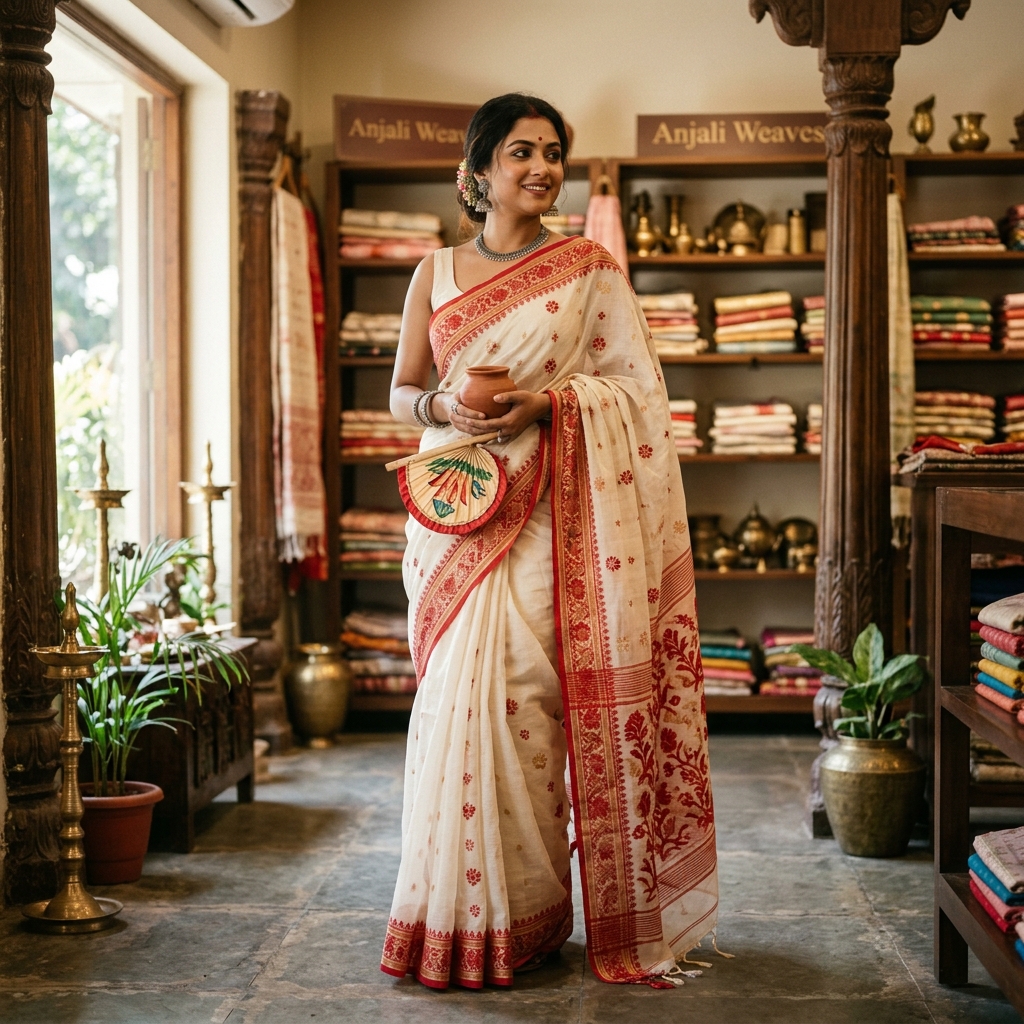
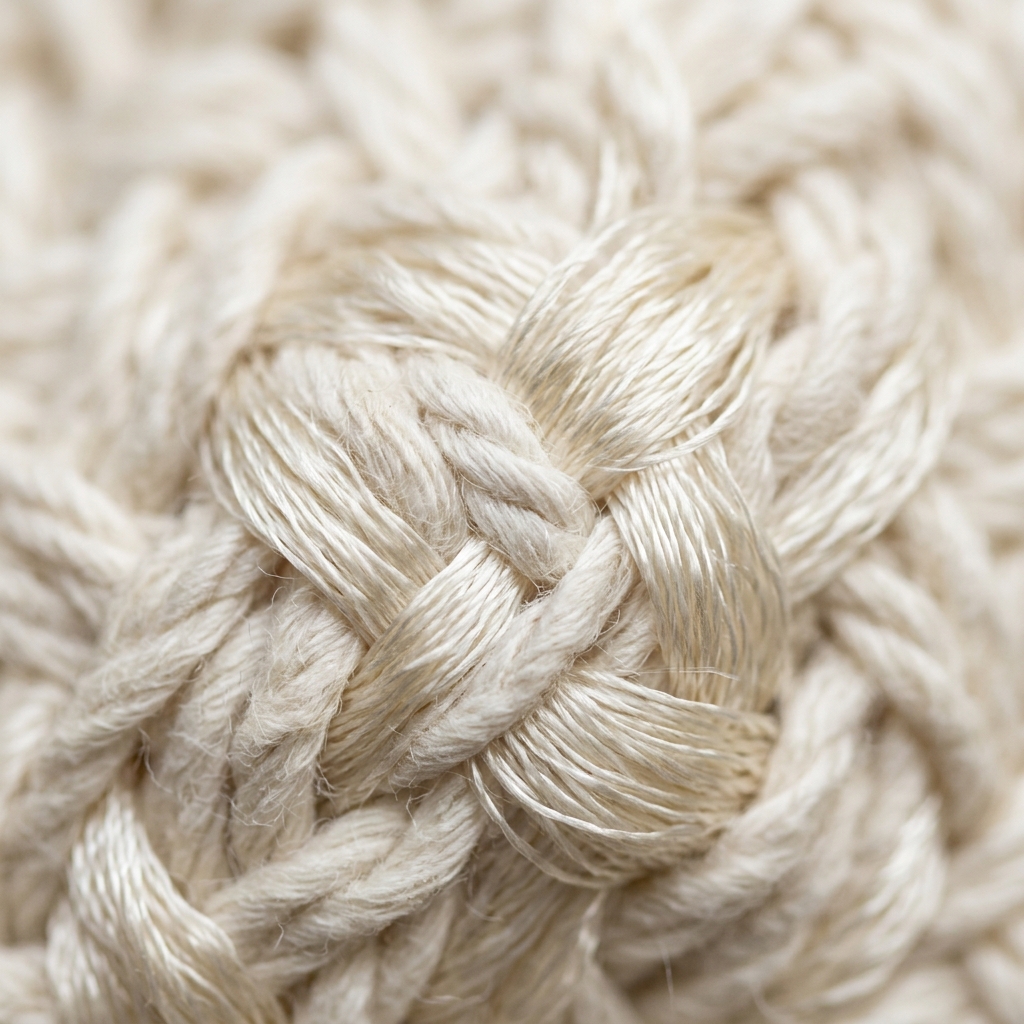
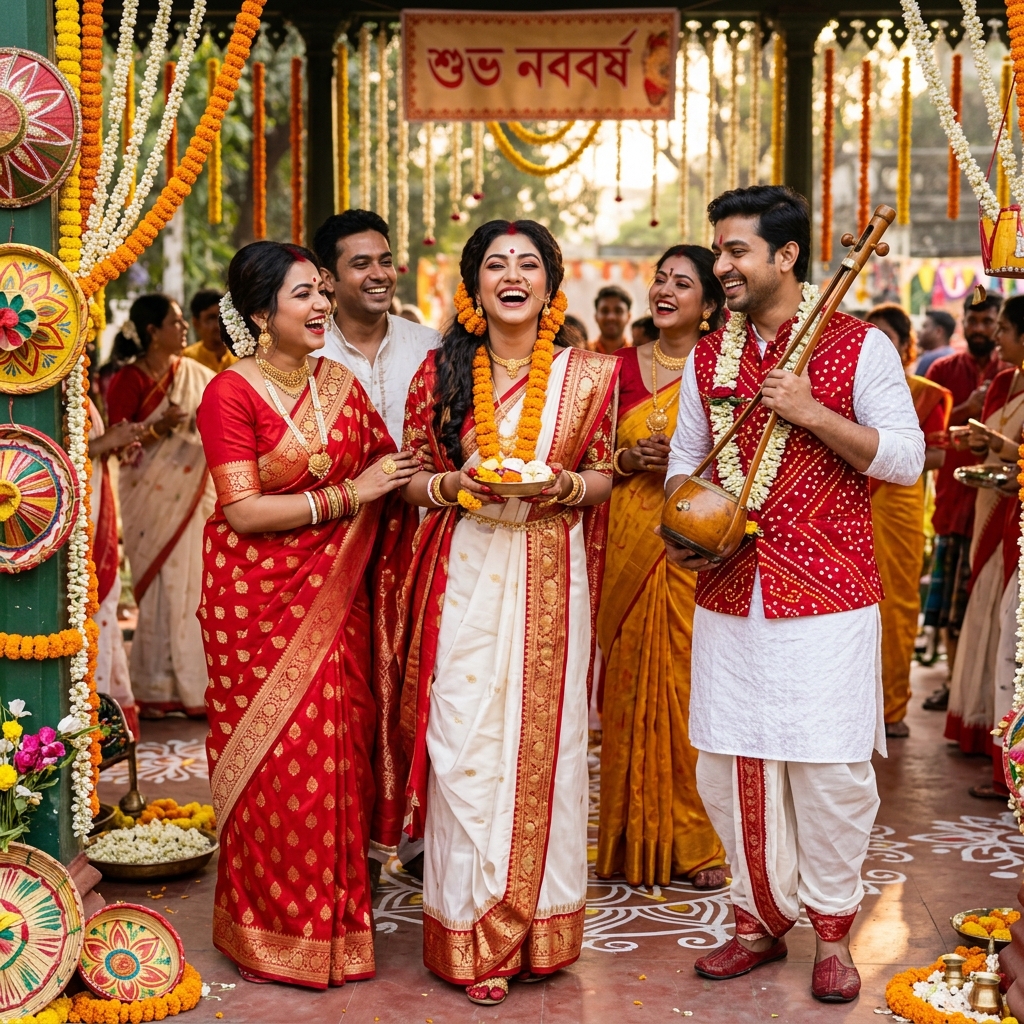
Updated: June 2026 Bengal is an enduring land of festivals. From the profound spiritual grandeur of Durga Puja to the cheerful cultural renewal of Poila Baisakh, every major celebration across our landscape demands the timeless elegance of an authentic traditional Bengali saree. For generations, women across Barasat, Kolkata, and the wider reaches of West Bengal have draped themselves in exquisite manual weaves that act as living tapestries of regional heritage, meticulous craftsmanship, and cultural pride. At Saha Textile, located at the Champadali crossroads in Barasat, we have served families since 1986. We deeply understand that selecting a festive garment is both an emotional milestone and an intentional aesthetic choice. Whether you are a bride-to-be curating an heirloom wedding trousseau, a daughter sourcing premium materials for your mother, or a textile connoisseur who cherishes genuine artistry, this authoritative guide will help you navigate the nuanced world of true handloom sarees, authentic tant sarees, premium pure cotton sarees, and master-woven silk investments. In Bengali culture, a saree transcends standard fashion—it is a physical expression of identity, lineage, and spiritual celebration. Traditional drapes have historically guarded and adorned women through every significant lifecycle milestone: from birth ceremonies and complex wedding rituals to grand seasonal pujas. The crisp architectural pleats of a Garad, the elegant fluid drape of a Korial, and the highly breathable touch of handloomed cotton each carry the distinct signature of rural weaving clusters. What sets traditional Bengali festival sarees apart is their engineering compatibility with the regional geography. The intense, hot, and humid climate of West Bengal demands premium fabrics that remain remarkably lightweight, moisture-wicking, and comfortable across long hours of ritual observation. This is exactly why authentic handloom tant sarees and long-staple pure cotton sarees remain undefeated seasonal staples; they facilitate continuous airflow to keep the skin cool while maintaining an effortlessly sophisticated silhouette. No celebration captures our regional soul quite like Durga Puja. For five glorious days, the communities of Barasat and Kolkata transform into open-air art exhibitions filled with music, community feasts, and the rhythmic resonance of traditional dhak drums. Navigating this multi-day calendar requires specific, rhythmically aligned fabric selections: The authentic Garad tant saree—boasting a pristine white or cream cotton body paired with a bold, contrasting crimson red border (paar)—is the absolute visual symbol of Durga Puja. Traditionally worn during the sacred morning Anjali of Maha Ashtami and Sandhi Puja, this layout represents spiritual purity and devotion. "True handloomed Garad-style Tant features an uncompromised, open-weave grid," says Subrata Saha. "At our Barasat showroom, we source these masterpieces directly from lineage artisans in Dhaniakhali and Phulia. The crisp, un-fuzzed yarn density ensures the saree holds its pristine pleats beautifully through long ritual standing hours. Avoid cheap powerloom imitations here; machine-compressed synthetic yarns will trap perspiration and cause severe skin chafing in the crowd." For the final festive stretches, when you require a presentation that is highly polished yet structurally lightweight, the Korial tant saree provides an elegant off-white palette with fine, highly intricate border patterns. It drapes with exceptional fluidity, making it the preferred choice for evening pandal-hopping and the emotional rituals of Vijayadashami. Early morning puja preparations demand clean minimalism. A soft cotton saree for women in soothing pastel shades—such as pale rose, mint green, or powder blue—delivers the perfect equilibrium of respect and comfort. Our specialized Cotton Saree Collection showcases handloom pieces that handle the early sun with ease. The Bengali New Year, Poila Baisakh, represents a crucial window for structural renewal. Ancestral custom dictates that donning a brand-new garment (Nutan Jama) on this auspicious day invites economic prosperity and positive energy for the year ahead. Connoisseurs across North 24 Parganas systematically visit our Champadali hub to audit three foundational New Year styles: A traditional Bengali wedding is a multi-day ritual matrix, where each ceremony demands a distinct textile identity. From pre-wedding blessings to the grand reception feast, our bridal consultants organize your trousseau using explicit parameters: These intense evening prayers demand deep, meditative, and non-reflective tones. Deep maroon, emerald green, and midnight blue handloom sarees with thin, minimal borders are standard. The focus remains strictly on the deity, requiring a saree that presents total sophistication without distracting visual noise. The unique celebration of Jamai Sasthi—where mothers-in-law welcome their sons-in-law—calls for matriarchs to wear their finest heritage pieces. A premium handloom saree showcasing elegant woven buta work in vibrant shades like coral orange, magenta, or teal is highly recommended. For Bhai Phonta, sisters choose cheerful, high-mobility printed cotton or light tant varieties in sunshine yellow, lavender, or soft peach to celebrate family bonds with grace.The Festive Saree Registry: A Master Curator's Guide to Bengal's Sacred Celebrations
The Physiological and Cultural Significance of Bengal's Weaves
Durga Puja: The Ultimate Five-Day Wardrobe Protocol
1. Garad Tant (The Quintessential Ashtami Weave)
2. Korial Tant (Refined Sophistication for Nabami & Dashami)
3. Handloom Cotton (Serene Morning Rituals)
Poila Baisakh: Welcoming the New Year with Material Purity
The Bridal Blueprint: Wedding Season Traditions
Wedding Ceremony
Recommended Weave Strategy
Color Palette Rule
E-E-A-T Quality Signature Check
Gaye Holud (Turmeric)
Pure Cotton Tant
Bright Marigold, Mustard Yellow
Earthy grain texture (kharar) that breathes easily through wet rituals.
The Biye (Main Marriage)
Pure Handloom Banarasi Silk
Crimson Red, Vermillion, Deep Maroon
Intricate gold/silver zari work with manually knotted bobbin floats on the reverse side.
Ashirbaad & Pre-Rituals
Traditional Garad Silk
Pristine Silk Cream with Solid Red Borders
Natural, high-sheen un-dyed silk threads with a stiff, paper-like structural hand-feel.
Bou Bhat (Grand Reception)
Premium Korial or Dhakai Jamdani
Pastels, Royal Blue, Off-White with Zari
Translucent base yarn containing opaque, hand-threaded floating supplementary motifs.
Specialist Attire for Regional Milestones
Lakshmi Puja & Kali Puja Evening Registries
Jamai Sasthi & Bhai Phonta Family Functions
The Master Curator’s Three Rules for Festival Saree Auditing