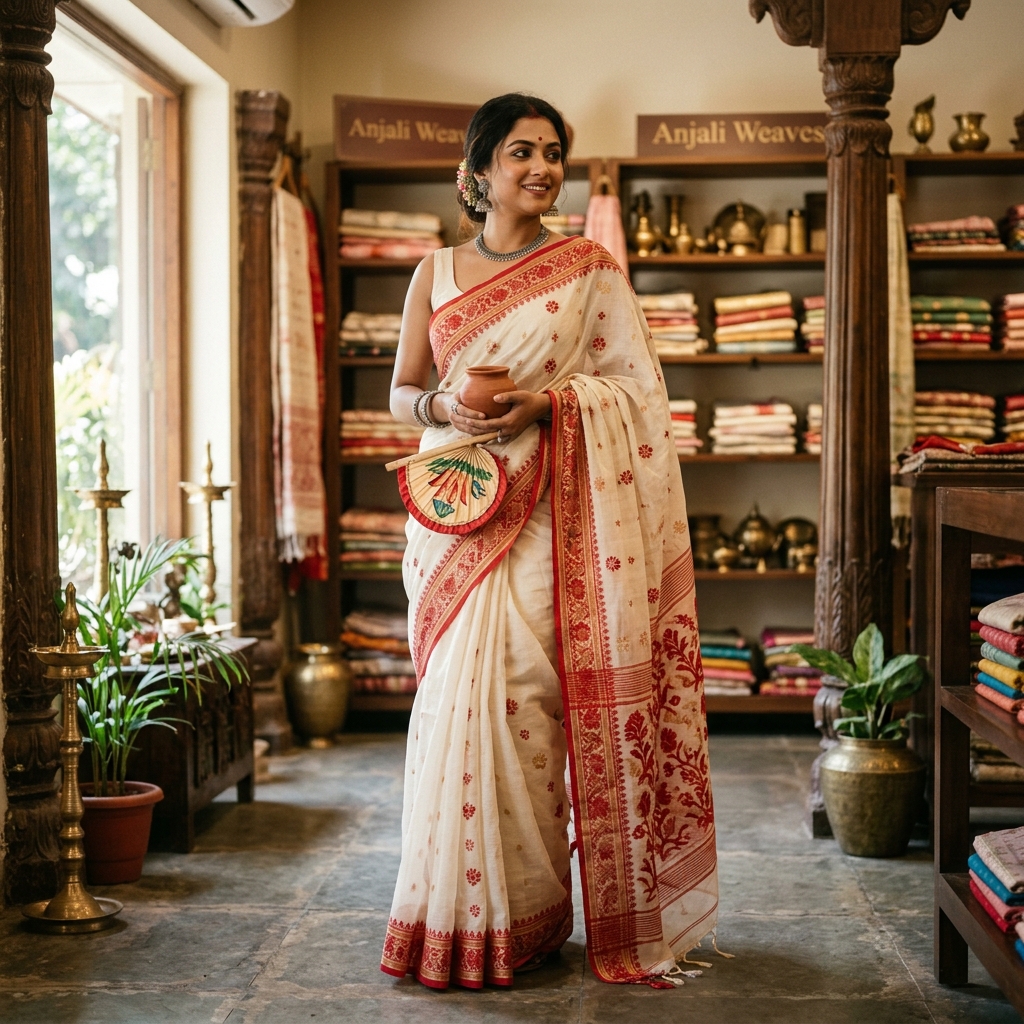
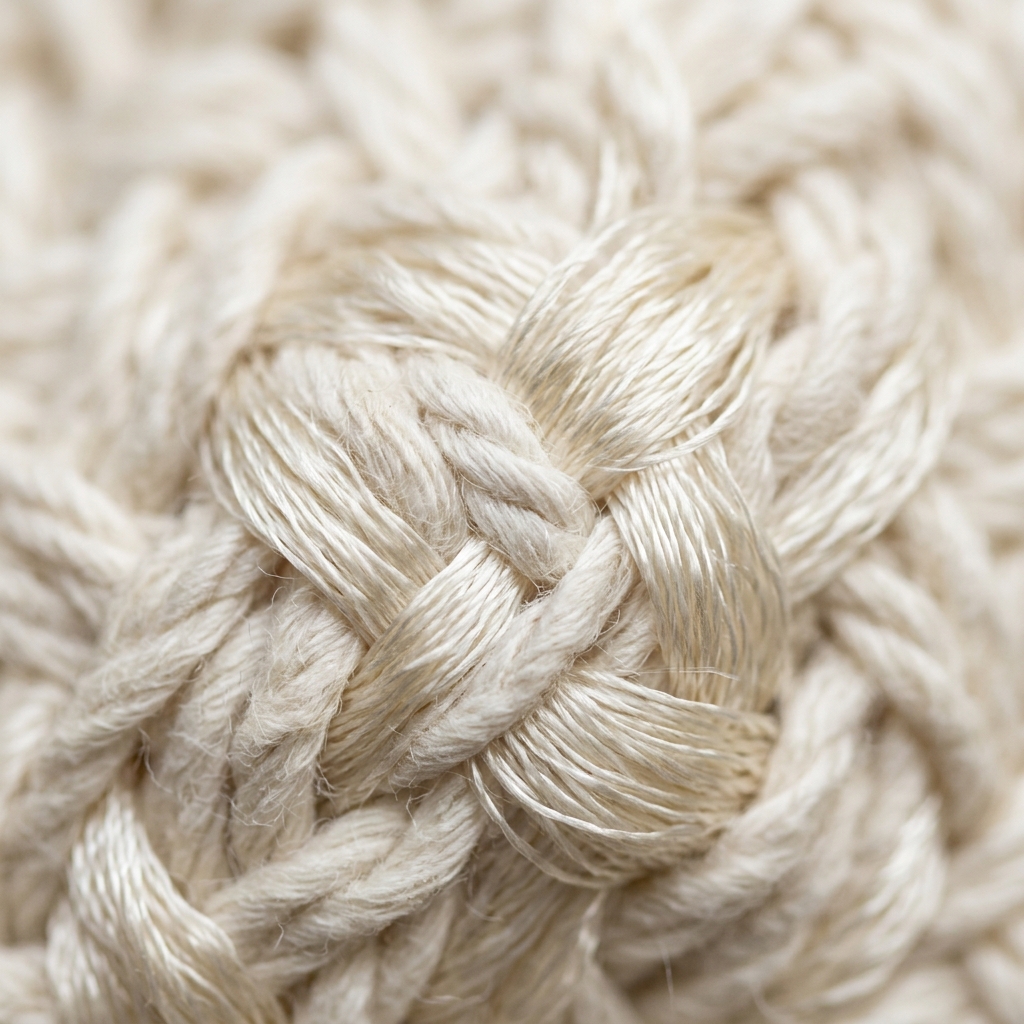
Understanding the science behind our high-quality ethnic wear fabrics.
Updated: June 2026 What makes a Saha Textile saree distinct from the rest of the market? The fundamental answer lies buried in the raw molecular quality of our initial material procurement. We prioritize the structural integrity of our yarn above all decorative elements. Our textiles are treated to be exceptionally soft from the very first wear and structurally durable enough to survive decades of continuous rotation. We deeply understand that regional ethnic wear is an emotional purchase, heavily tied to family memories, sacred rituals, and generational traditions. Because of this reverence, we ensure our fabrics stand up flawlessly against the physical stress of time and repeated washing. At our production units and flagship multi-level showroom at the Champadali crossroads in Barasat, uncompromised material quality is not a marketing catchphrase—it is an absolute corporate commitment. Our fabric quality parameters begin at the foundational sourcing stage, eliminating unverified market middle-men entirely. We procure agricultural raw components exclusively from certified farms that pass strict quality checks: Before any single drape is permitted onto our Barasat retail floor, it must successfully navigate a rigorous, multi-tiered quality assurance workflow: The raw inbound yarn is mechanically tested for load strength, precise fineness, and cross-sectional uniformity. This ensures that weak, uneven yarn batches—which cause premature fabric tearing during weaving—are rejected before they ever touch a loom frame. During the active weaving process, our technical supervisors conduct real-time spot checks to verify absolute consistency in the weft weave pattern and mechanical loom tension. This step prevents loose borders, uneven thread lines, and premature edge fraying. Once off the loom, each saree undergoes manual visual inspection for pattern alignment, color accuracy, and overall finishing details. We subject sacrificial sample cuts from every batch to rigorous hot-water wash tests to ensure the final consumer product does not suffer from excessive shrinking or premature color fading. The practical result of our intense manufacturing protocol becomes obvious the moment you physically touch the textile. A Saha Textile cotton saree actually becomes softer with every washing cycle without losing its original architectural shape or structural drape memory. Our pure silk sarees maintain their brilliant luster year after year, our premium metallic zari elements resist oxidation and do not tarnish black, and the finished edges remain clean without unravelling. This is why generations of families return to us—they trust a name that values technical durability. To preserve the organic luster, yarn density, and dye integrity of your investment over decades of frequent use, execute this technical care routine:The Science of Textile Longevity: How Saha Textile engineers Generations-Lasting Fabrics
The Sourcing Science: Verified Staples and Pure Silk Reeling
The 3-Tier Quality Control Protocol: The Saha Testing Standard
The Raw Filament Tensile Audit
In-Loom Tension Supervision
The Post-Weave Structural and Wash Test
The Performance Result: Fabrics that Better with Age
The Structural Preservation Protocol
Fabric Categorization
Washing Protocol
Storage Medium
Pure Long-Staple Cotton & Casual Wear
Manual hand wash or a short, gentle machine cycle using cold water and mild liquid detergents.
Line dry flat in a shaded indoor area. Store wrapped inside breathable cotton to block moisture pockets.
Pure Silk, Handloom Tant, & Embroidered Masterpieces
Strictly professional dry cleaning only. Never expose to raw domestic washing machines or harsh alkaline bar soaps.
Wrap individually in unbleached white muslin cloth. Store flat in a cool, dry wardrobe; avoid hanging, which stretches fibers.