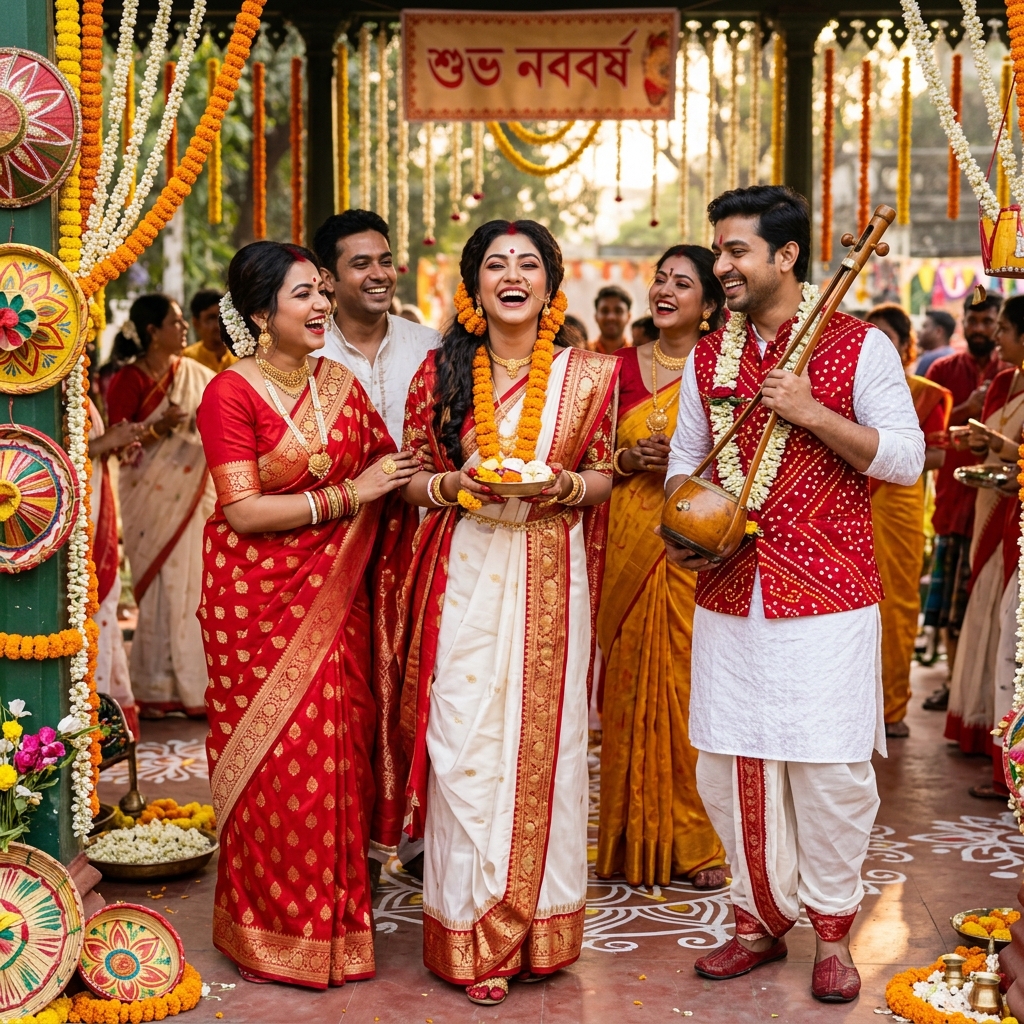
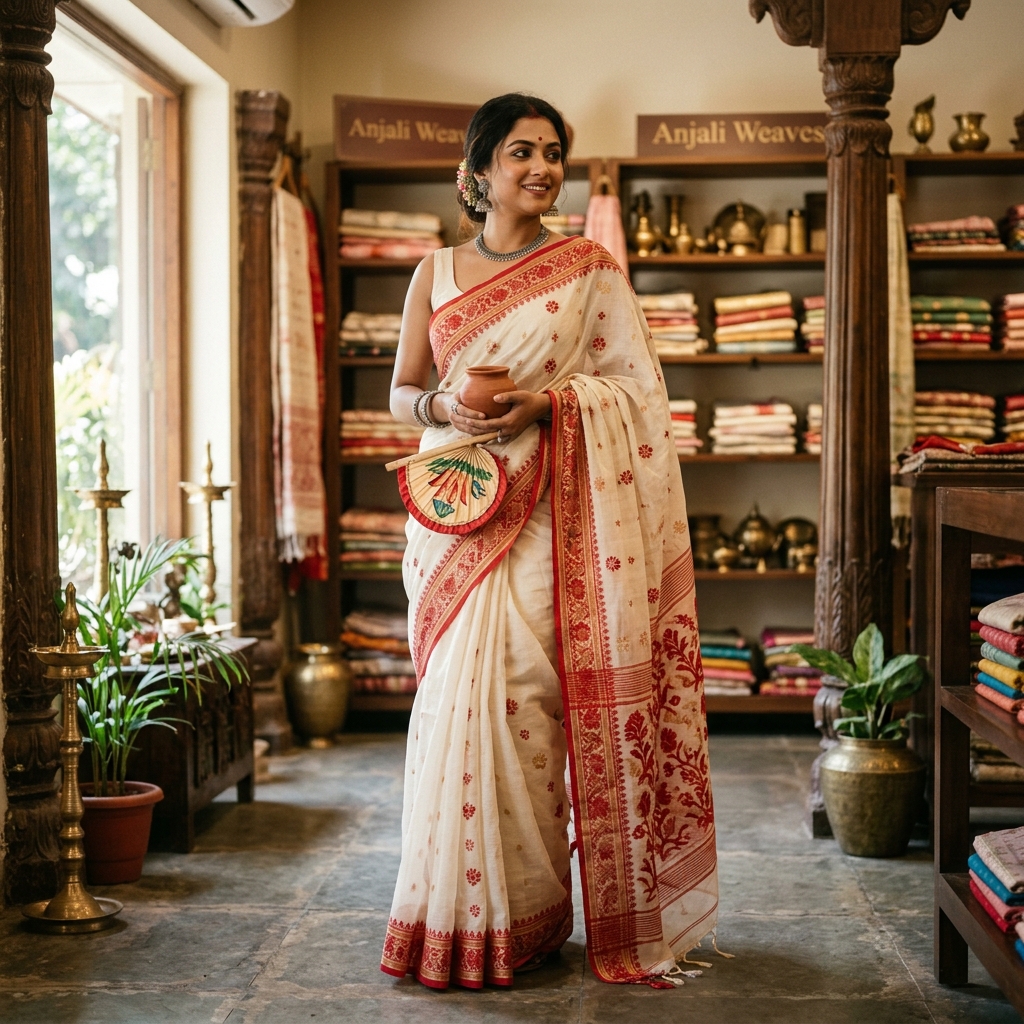
Discover why cotton sarees remain the top choice for women in Kolkata, offering unparalleled comfort and grace.
Updated: June 2026 In West Bengal, cotton sarees are far more than a staple garment; they represent an enduring cultural legacy woven directly into our regional history. Navigating a busy workday on the bustling streets of Kolkata or attending a casual social gathering requires attire that effortlessly balances style with physiological utility. At Saha Textile, located at the Champadali crossroads in Barasat, we specialize in authentic, premium-yarn cotton textiles engineered specifically to remain soft, lightweight, and structured throughout the day. Since 1986, our multi-generational retail house has prioritized sourcing directly from artisan hubs. This authoritative guide details how to evaluate high-grade cotton weaves, select silhouettes for diverse environments, and maintain your garments across years of frequent wear. The durability and crispness of a high-quality cotton saree depend entirely on the initial yarn choice and the precision of the loom construction. Our network of master weavers utilizes traditional warp and weft alignment techniques passed down through generations. By employing optimal thread counts, the resulting fabric offers a high-utility equilibrium: it remains remarkably thin to maximize airflow during peak humid summer months, yet possesses the structural tensile strength to withstand daily wear and frequent laundering cycles. With mass-produced synthetic blends regularly mislabeled as "100% cotton" in unverified marketplaces, our senior floor curators recommend running these three checks to guarantee authenticity before purchasing: Hold the open fabric up against a natural light source. An authentic, high-quality cotton weave will show a highly consistent, tight grid pattern without arbitrary thinning or erratic thread gaps. Avoid pieces with loose, fraying threads along the core weave structure, as these indicate low-grade short-staple cotton fibers that will easily rip after a few wash cycles. Pass your fingertips firmly across an unstarched panel of the saree. True premium cotton possesses a soft, subtly matte, and warm organic texture. If the fabric feels slick, exceptionally slippery, or generates a slight static charge, it contains cheap polyester or nylon yarn blends designed to mimic natural cotton while trapping body heat. Firmly bunch a section of the saree body in your fist for five seconds and release it. Pure, unblended cotton will immediately register crisp, distinct wrinkles. If the material bounces back completely flat without a single visible crease line, it has been heavily treated with synthetic resins or contains significant artificial polymer percentages. Pure cotton sarees offer immense versatility across professional and personal settings when styled with careful attention to structural detail: To ensure your cotton garments remain structural and vibrant over decades of frequent use, execute this precise preservation sequence:The Bengal Cotton Saree Blueprint: Sourcing and Styling Authentic, Climate-Resistant Daily Wear
The Master Weaver’s Methodology: Structural Integrity and Yarn Selection
3 Technical Tests to Evaluate Premium Cotton Quality
The Uniformity and Density Inspection
The Tactile Friction Test
The Crease-Recovery Analysis
The Environmental Styling Playbook
The Technical Care Protocol: Preserving Cotton Longevity
Care Step
Operational Standard
Laundering
Always wash items separately in cold water using a mild liquid detergent. Never use harsh bleaching agents or chemical stain removers.
Drying
Gently press out excess water without aggressive wringing. Line dry the fabric completely flat in an indoor, shaded area to prevent solar color-fading.
Starching
Apply a light, uniform coat of natural liquid starch after every alternate wash to maintain that signature, crisp architectural structure.
Ironing
Iron the fabric while it is still slightly damp using a high-heat steam setting to safely eliminate deep creases without scorching the cotton fibers.